Teaching & Learning Process
Student-centric methods such as experiential learning, participative learning and problem-solving methodologies are used for enhancing learning experiences:
Experiential Learning
Students are taken to Industrial visits and they are encouraged to go for Inplant trainings. Design oriented experiments / mini projects / open ended experiments are included in the laboratory syllabi to improve the design thinking and help students to have an experience on various problems related to the course they are studying. A group of elective / open elective courses are included with practical component so that every student gets an experience of practical learning in the domain of his choice once during the program. 8 weeks Internship is mandatory for every student in R2018, Students are also permitted to do online internships during the pandemic. During the pandemic virtual laboratories are used for doing experiments wherever possible. Faculty also demonstrated the experiments through recorded videos with necessary explanations.
Participative learning:
Faculty conduct role play / group discussion / case studies/ Quizzes/ Flipped classes in the class rooms apart from conventional teaching methodologies. These methods demand student participation and all the students are invariably involved. Feedback is received from the students through course end survey on the effectiveness of these methods and accordingly taken forward. Students are encouraged to participate in symposiums, conferences, seminars, workshops and activities conducted by associations and various professional society chapters.
Problem Solving Methodologies:
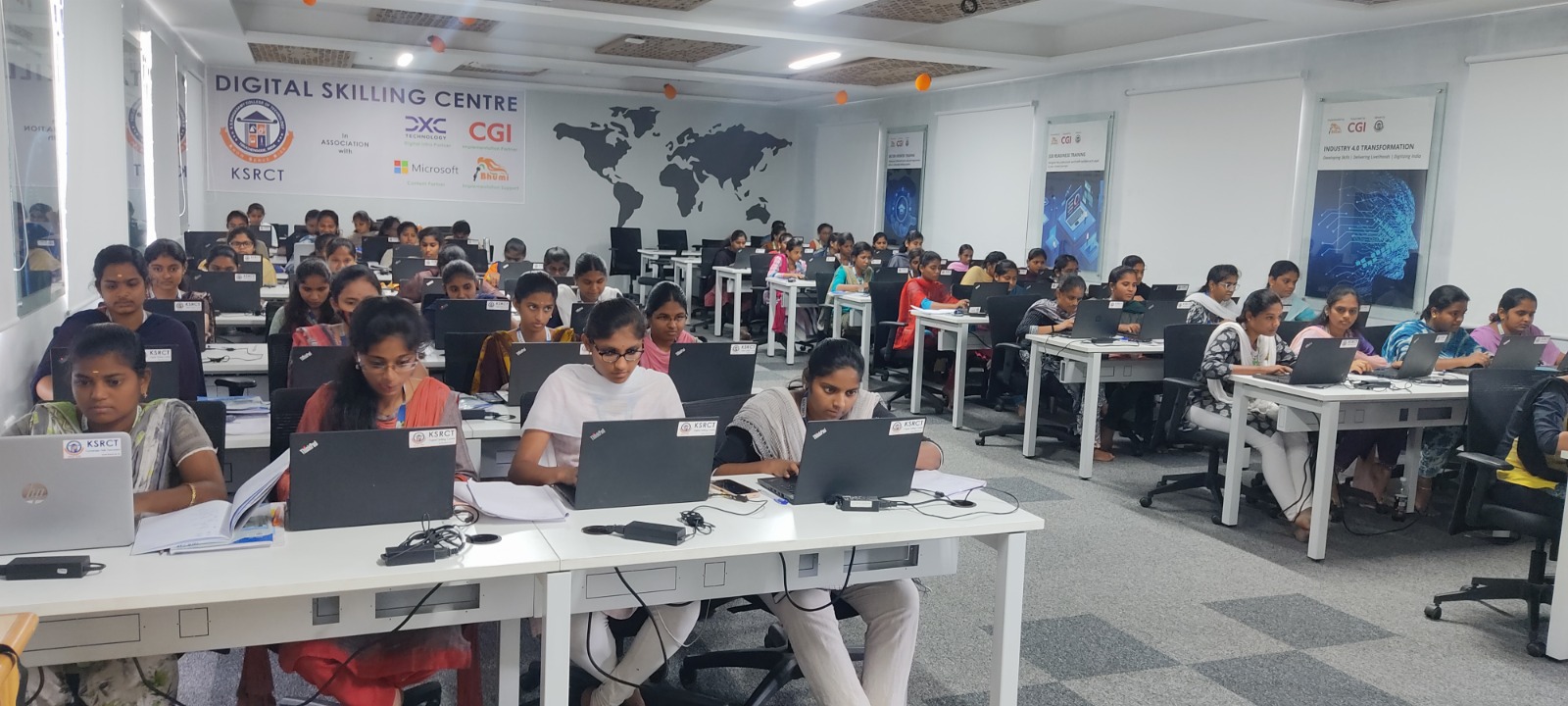
Project based learning helps students to solve the real-world problems as well as apply the concepts learned in theory. Tutorials are conducted for analytical courses during regular classes. PSDS (Programming Skill Development System), Neopat and examly portal are used for developing the programming skill of the students and solving the problems. Inter departmental codethans are being conducted to improve the problem solving /logic building of the students every year.
Mentorship
Mentor Mentee Scheme is an essential component for a successful career as it bridges the gap between the faculties and students. Mentoring provides students emotional and instrumental support, guidance, encouragement and better environment in college. A mentor plays a vital role in nurturing students and has a positive impact on students’ persistence and academic achievement. A mentee can approach mentor for both educational and personal guidance. Mentoring is conducted to help the students to strengthen their varied capabilities and to build an interpersonal relationship between the faculties and students.
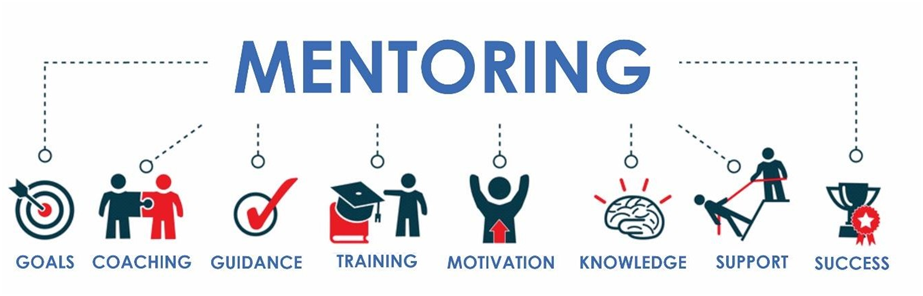
Mentor
A mentor is a person who has professional and life experience and who voluntarily agrees to help a mentee develop skills, competencies, or goals. Put another way, a mentor is an advisor and role model who is willing to invest in the mentee’s personal growth and professional development.
Mentee
A mentee is someone who has identified a specific personal or professional goal and who believes that the guidance and help of a mentor – and being held accountable to the mentor – can help them achieve their goal.
Our mentoring system encompasses the following key components:
- Create a supportive & trusting environment
- Explore mentees career goals
- Peer mentorship, academic review, tutoring & referral services
- Assess mentees total performance Skills, knowledge & behavior
- Encourage and assist them in professional development activities
- Review goals and objectives; provide feedback
The One Student One Alumni, Mentor–Mentee, and NPTEL Mentoring systems are integral components of our unwavering commitment to student success. These initiatives collectively contribute to a vibrant learning ecosystem empowering students to thrive academically and professionally.
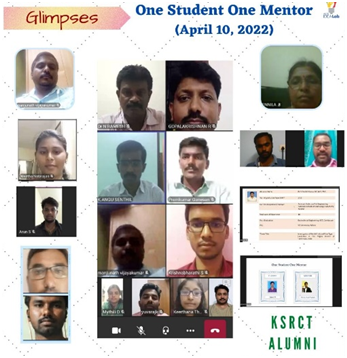
- One Student One Alumni:
- This initiative fosters meaningful connections between current students and accomplished alumni.
- Alumni share their experiences, insights, and career journeys, inspiring and guiding students toward success.
- Mentor–Mentee:
- Our mentorship program creates a supportive and trusting environment.
- Faculty mentors assist students in setting clear goals, honing skills, and making informed decisions.
- Beyond academics, mentors serve as pillars of strength, nurturing holistic development.
- NPTEL Mentoring:
- Online courses are taken under the guidance of faculty mentors.
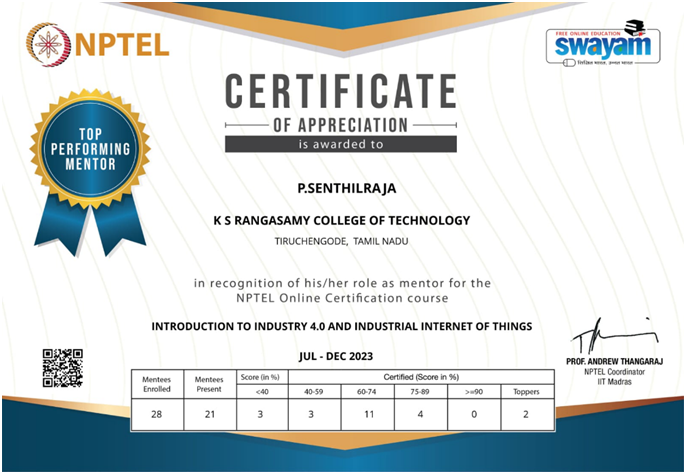
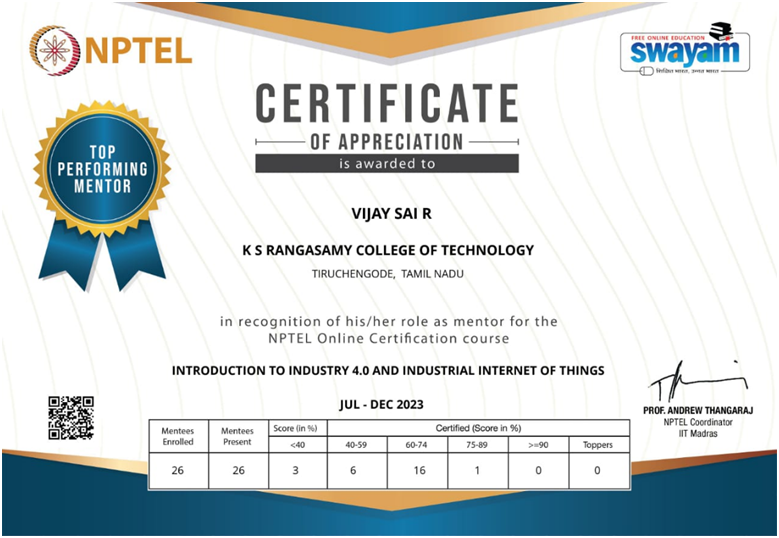
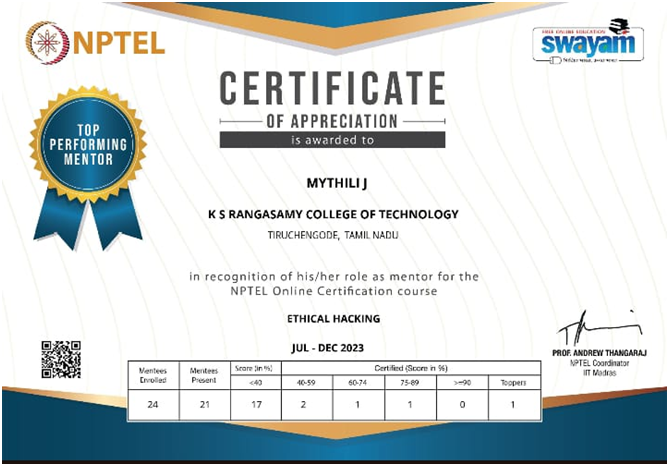
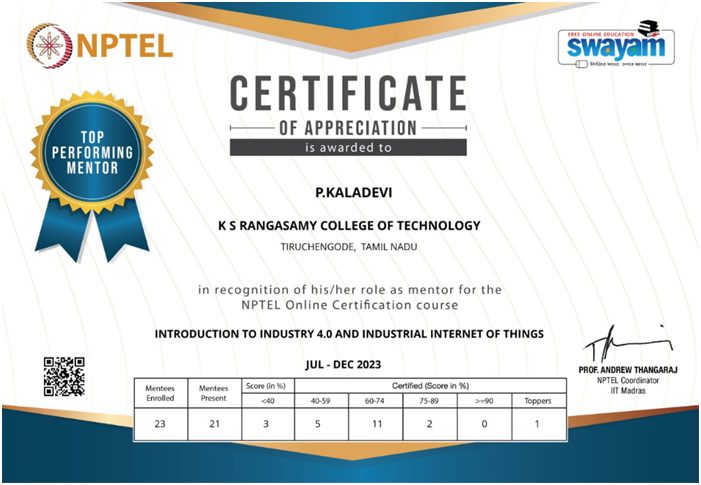
- Students register for courses offered by NPTEL/SWAYAM/MOOC or any other courses offered by reputed National/International organization, universities under the guidance of a faculty mentor. Our dedicated faculty members consistently excel in guiding students toward successful futures, and our esteemed faculty members for being recognized as NPTEL Top Performing Faculty Mentors!
Student Affairs - Cocurricular
Realizing the importance of learning beyond classrooms, the department encourages students to indulge in co-curricular activities. Some of the important activities in which students have participated and accomplished are given below.
Department Associations
Department associations serve as platforms for students to explore their interests, collaborate with peers, and engage in meaningful projects and activities related to their field of study. Students actively participate in the association’s activities. These associations provide platforms for seminars, workshops, networking, and interactions with industry experts. Additionally, outreach programs benefit nearby schools and villages. Through these associations, students develop leadership skills, expand their networks, and deepen their understanding of their chosen discipline.
Training for Placement
We offer specialized training sessions to prepare students for placements. Mock interviews, resume building, and soft skills development are integral components.
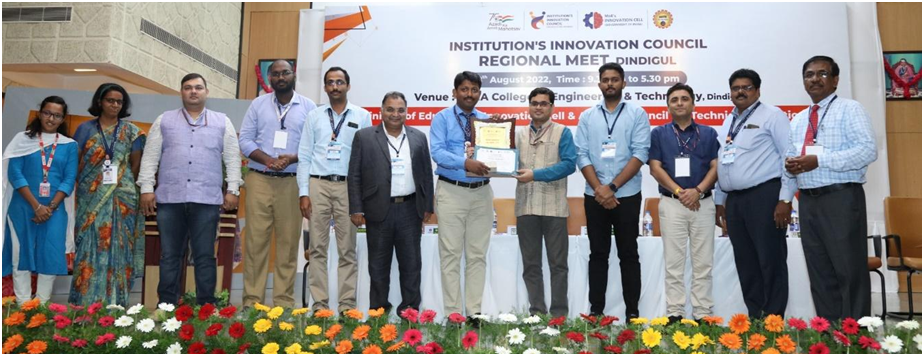
Symposiums and Conferences
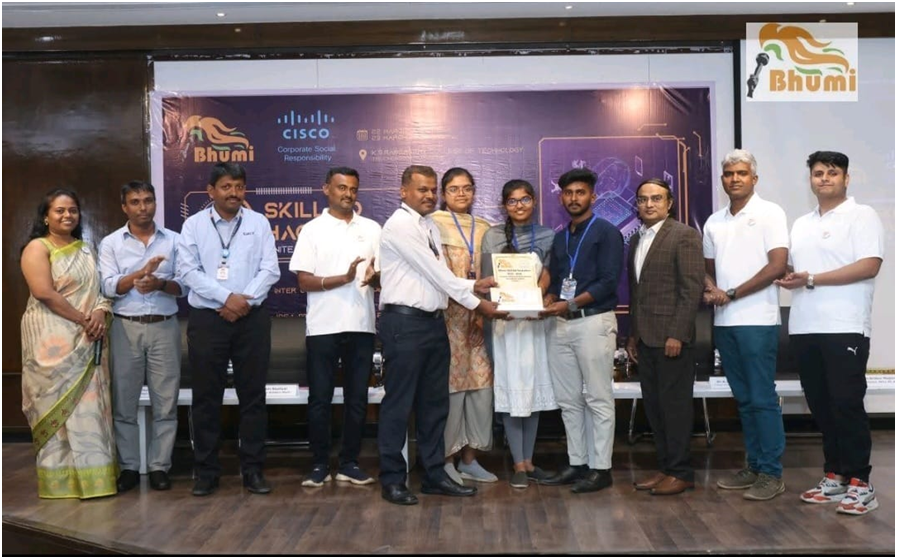
Regular symposiums and conferences expose students to cutting-edge research and industry trends. These events foster intellectual exchange and collaboration.
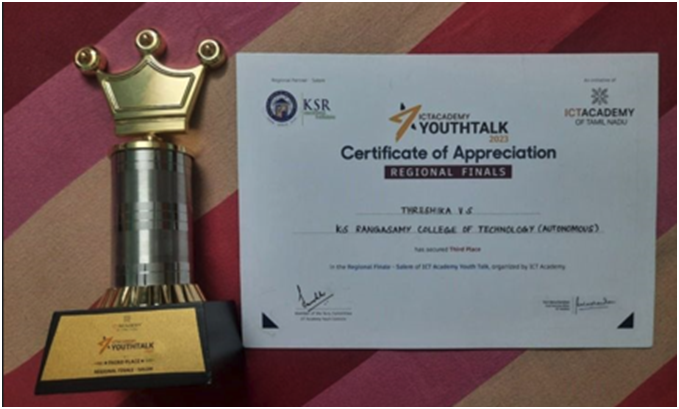
Certification Courses
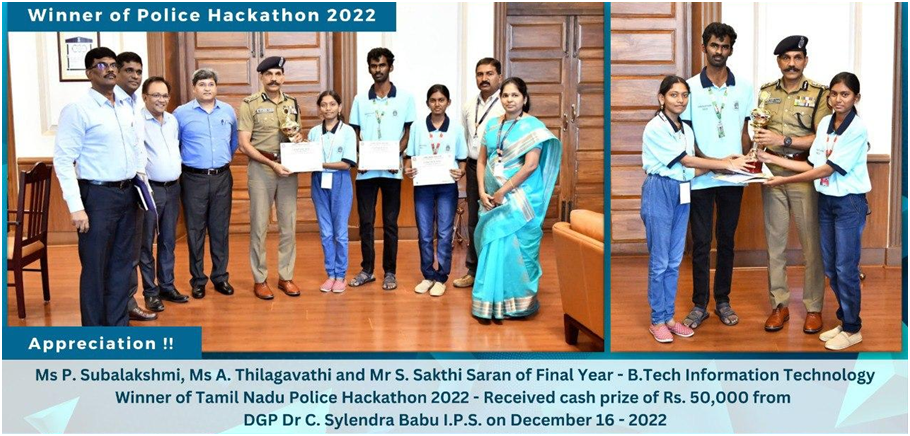
We encourage students to pursue certification courses in areas like data science, cybersecurity, and project management. These credentials add value to their profiles.
NPTEL(National Programme on Technology Enhanced Learning)
Students can access NPTEL courses to supplement their academic learning. These online courses cover diverse topics and enhance technical proficiency. NPTEL website Link: https://ksrctnptel-webportal.blogspot.com/
Professional Body









| S. No | Name of the Membership | Name of the Head/Coordinator | Designation | Contact Number | |
|---|---|---|---|---|---|
| 01 | IETE - Institution of Electronics and Telecommunication Engineers | Dr.P.Babu | Professor /ECE | 94435-46483 | [email protected] |
| 02 | Indian Concrete Institute | Dr.K.VijayaSundravel | Assistant Professor /Civil | 96886-76665 | [email protected] |
| 03 | Indian Geotechnical Society (IGS) | Dr.D.Siva Kumar | Assistant Professor /Civil | 90038-07090 | [email protected] |
| 04 | Indian Welding Society (IWS) | Dr. K. Mohan | Professor /Mech | 96886-64460 | [email protected] |
| 05 | Institution of Engineers | Dr.A.Kumaravel | Dean/SMS | 94435-53626 | [email protected] |
| 06 | Instrument Society of Indias | A.Thangadurai | Assistant Professor /EEE | 90953-22233 | [email protected] |
| 07 | ISTE | Dr.S.Madhavi | HOD/CSE | 90950-60950 | [email protected] |
| 08 | Salem District Small Scale & Tiny Industries Association | Dr.R.Rajmohan Dr.P.Gopinath |
Associate Professor / English Professor /CSE |
99449-76518 98659-78725 |
[email protected] [email protected] |
| 09 | Salem Productivity Council | Dr.R.Rajmohan Dr.P.Gopinath |
Associate Professor / English Professor /CSE |
99449-76518 98659-78725 |
[email protected] [email protected] |
| 10 | SALIS | Dr.A.M.Venkatachalam | Librarian & Director (L&SA) | 99440-50222 | [email protected] |
| 11 | Confederation of Indian Industry (CII) | Mr.V.S.Vijayachander | Assistant Professor /MBA | 88708-43330 | [email protected] |
| 12 | IEEE - Institute of Electrical and Electronics Engineers | Dr.C.Rajasekaran | Professor /ECE | 99424-83404 | [email protected] |
| 13 | Institute for Steel Development & Growth (INSDAG) | Dr.M.Velumani | Assistant Professor /Civil | 97879-78886 | [email protected] |
| 14 | PanIIT Alumni Leadership Series(PALS) | Dr. R.Gopinath | Professor /CSE | 98659-78725 | [email protected] |
| 15 | SAE - Society of Automotive Engineers | Dr.K.Raja | Associate Professor /Mech | 98423-14481 | [email protected] |
| 16 | The Indian Chamber of Commerce & Industry | Dr.R.Rajmohan Dr.P.Gopinath |
Associate Professor / English Professor /CSE |
99449-76518 98659-78725 |
[email protected] [email protected] |
| 17 | Computer Society of India (CSI) | Dr.K.Prasanth | Professor/CSE | 99941-53535 | [email protected] |
| 18 | The Robotics Society | Dr.M.Ravi | Professor/MCT | 98651-16888 | [email protected] |
| 19 | Madras Management Association | Mr.V.S.Vijayachander | Assistant Professor /MBA | 88708-43330 | [email protected] |
| 20 | National Institute of Personnel Management | Dr.A.M.Venkatachalam | Librarian & Director (L&SA) | 99440-50222 | [email protected] |
| 21 | IEEE Engineering in Medicine and Biology Society (EMBS) | Dr.S.Poornima | Prof/Bio-Tech | 99946-25815 | [email protected] |
KSRCT CMS
CTCMS
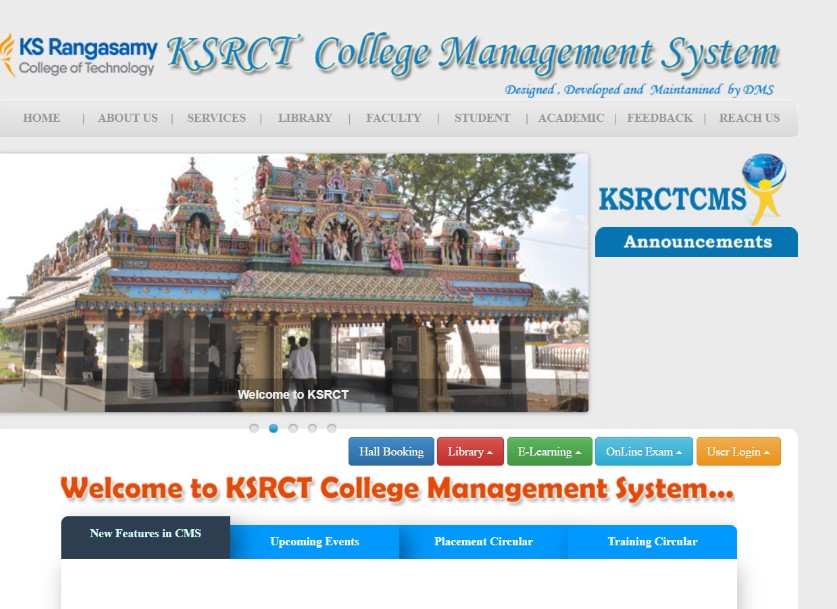
CTCMS (ctcms.ksrct.net) is the online portal for KSRCT and highlights that it was developed internally by the KSRCTCMS Team, consisting of faculty members from the college's computer science department and Information Technology.
Last updated 3 mins ago
CTCMS Student Functionalities

Profile Management
To Update and view personal information.
Attendance Tracking
View and monitor attendance records.

Internal Marks
Access internal assessment marks.

Semester Results
View semester-end results.

Feedback Mechanism
Provide feedback on courses and faculty.

Academic Schedule
Access course schedules and timetables

Attendance Proforma
Download attendance proforma.

SMS to Parents
Send Marks and Attendance via SMS

Library Management
Search for library resources.
CTCMS Faculty Functionalities
Profile Management
Update and view personal information

Biometric Attendance
Mark attendance using a biometric system.

Salary Receipt
Access salary slips electronically.

Exam Duty Managements
View and manage exam duty assignments

Internal Marks Management
Manage and submit internal assessment marks for students.
Attendance Management
View and manage student attendance (if authorized).

e-Circulars
Access and distribute electronic circulars and announcements.

Result Analysis
Analyze student performance data (if authorized).

Attainment Analysis
Student COs and POs and PSOs attainment.
Digital Programming
DigiPro
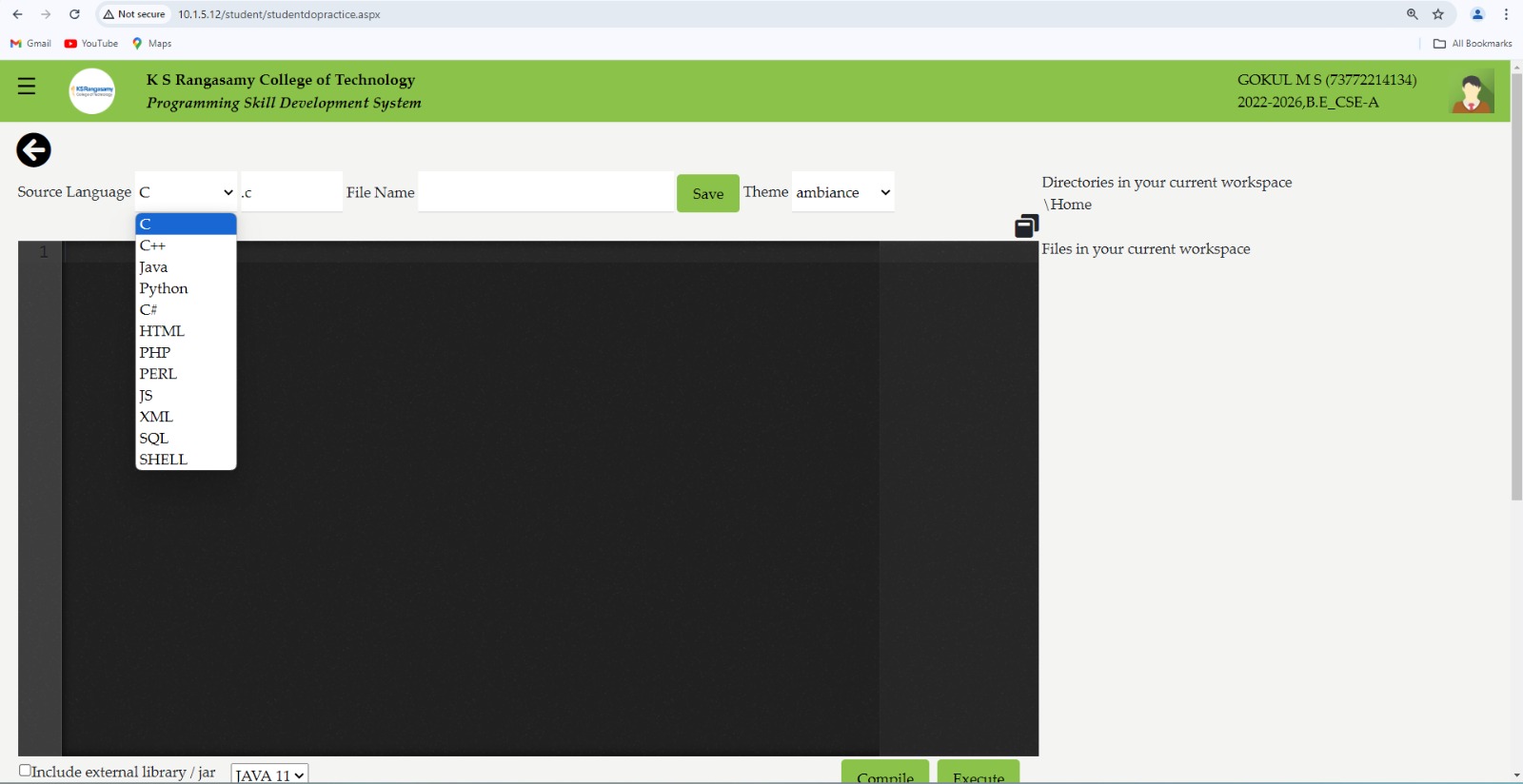
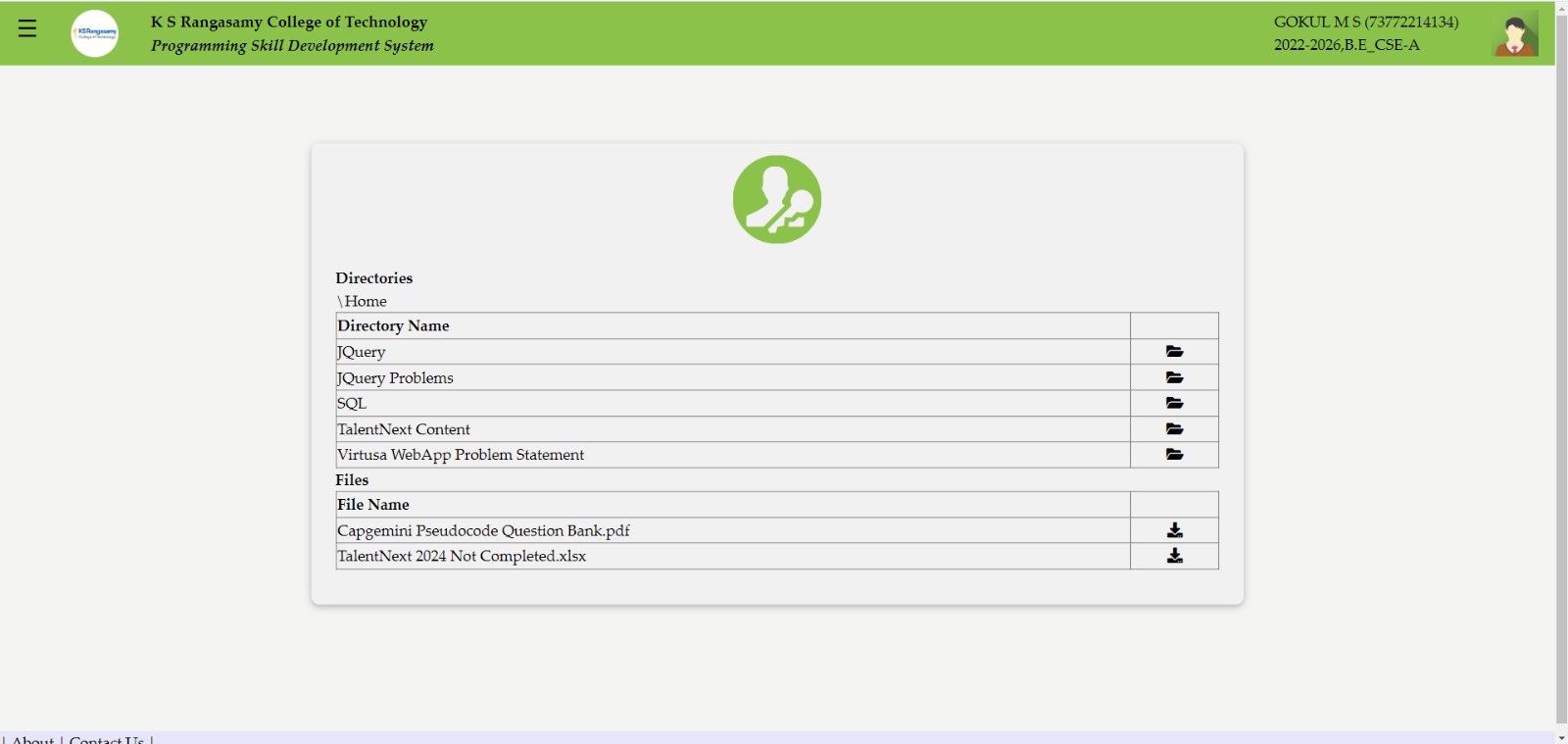
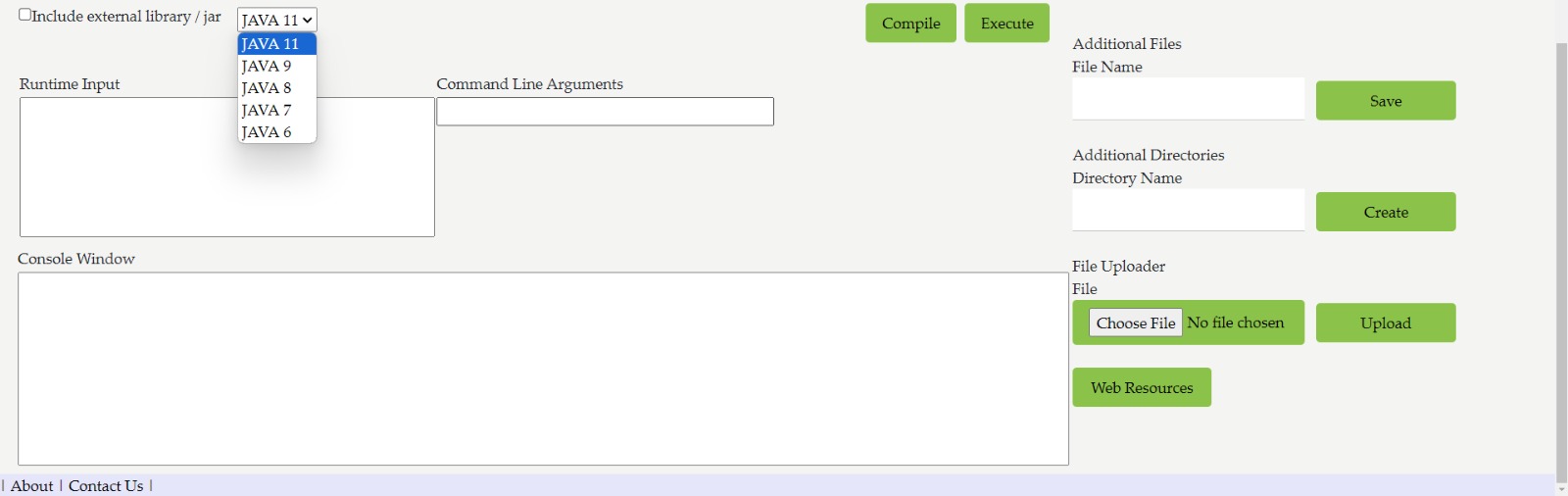
Programming Skill Development System (PSDS), also known as DigiPro, is an indigenous web-based IDE developed by a KSRCT CS faculty to enhance programming skills and logical thinking. It supports multiple languages (C, C++, Java, Python, PHP, Perl, SQL, HTML, JavaScript, JQuery) and offers three-level testing (low, medium, high). Students can code anytime, anywhere in both online and LAN environments. The IDE features automatic logic checking via test cases and provides performance analysis to identify strengths and weaknesses for skill improvement.
Last updated 3 mins ago
Features of DigiPro
Iamneo
Iamneo
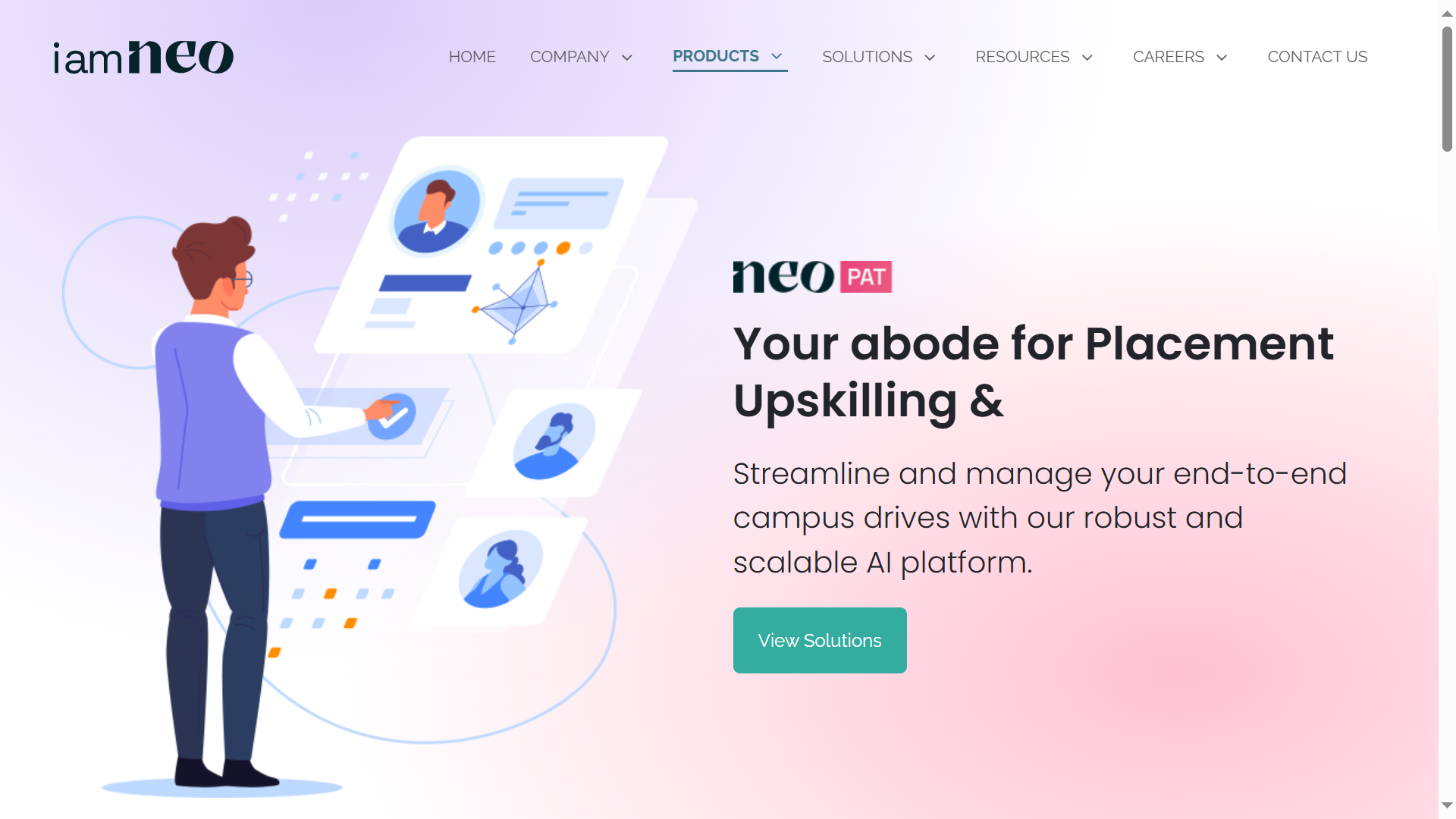
neoPAT is a comprehensive platform designed to streamline the placement assessment and training process. Our cloud-based solution offers a range of innovative features to automate campus placement operations and prepare students for successful placement opportunities. With neoPAT, you can enhance your institution's placement outcomes by seamlessly integrating placement and training efforts. Our digital toolkit serves as a centralized portal for managing all aspects of student placements. Utilizing AI technology, neoPAT provides scalability and reliability, catering to the diverse needs of placement cells. Say goodbye to traditional placement training methods and embrace a more efficient approach with neoPAT, eliminating last-minute rushes and ensuring smooth coordination between campus drives and skill enhancement training.
- Placement Recommendation Engine and Skill gap Identifier
- Data-driven analysis & Interactive dashboard for monitoring student metrics
- Excel-Free Eligible Students Segregation & OTP-based Attendance Tracking
- Dynamic rule-based tests, ai-powered proctoring & key-based access
- 10+ assessment types & 50+ languages support with a plagiarism checker
- 300+ Courses created with precise company patterns & industry-standard questions
Last updated 3 mins ago
CampusRunn
CampusRunn
https://ctplacement.ksrctdigipro.in/
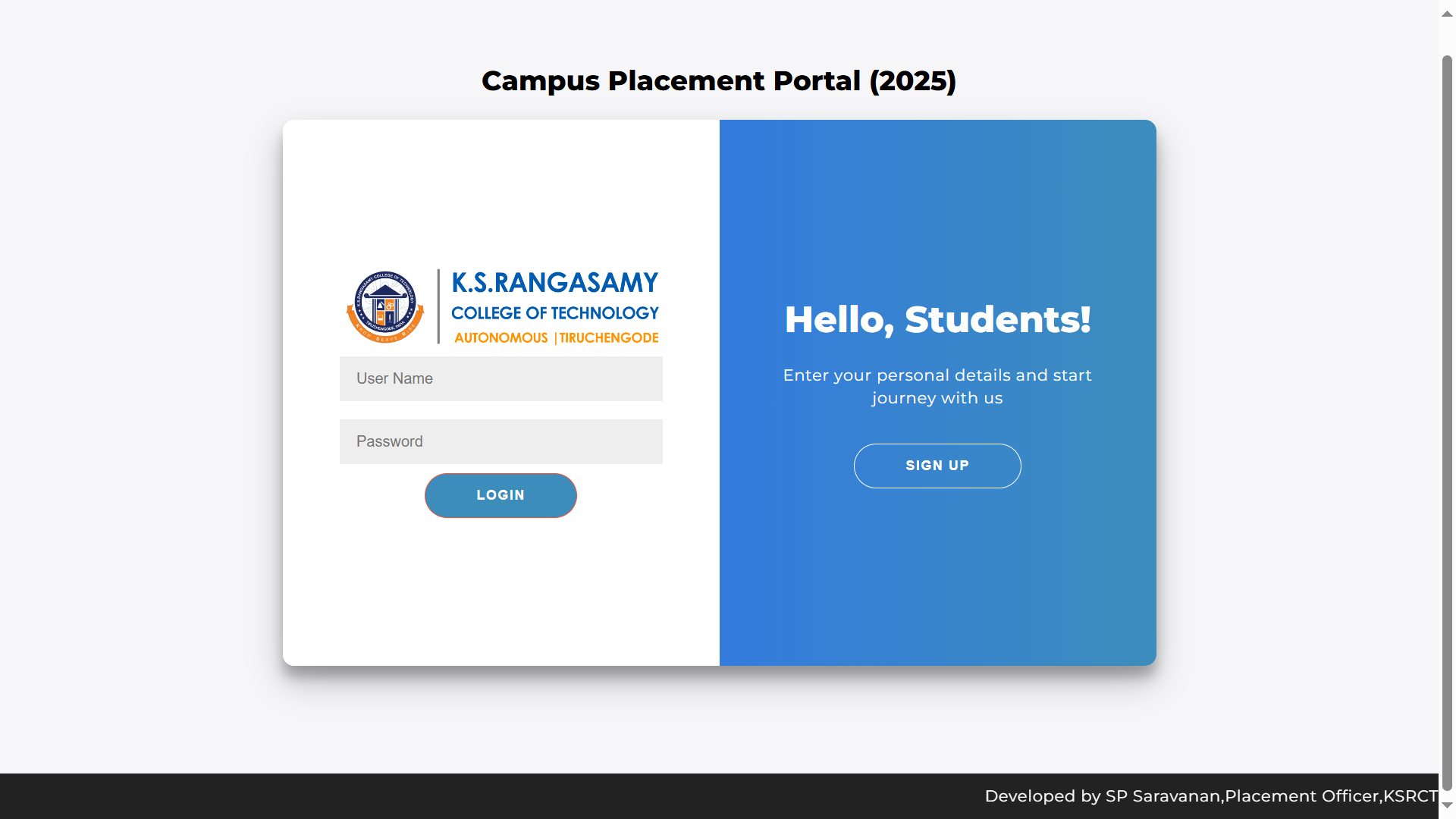
Campusrunn facilitates the management of campus placements within academic institutions. This software serves as a bridge between academic institutions and the corporate world by managing student information, coordinating recruitment processes, and providing analysis for future improvements. Key features and functionalities of Campusrunn
Last updated 3 mins ago
CampusRunn Faculty Functionalities

Database Management
Campusrunn maintains a database of student records, including academic information and placement status.

Corporate Interaction
The admin serves as the single point of contact (SPOC) between academic institutions and corporate entities. Admin communicates with corporate HR to gather information about recruitment processes, including interview dates, eligibility criteria, and company profiles.

Communication
Admin disseminates relevant information to department placement coordinators, HoDs, and students, including job postings, company profiles, interview rounds, and preparation materials.

Student Section
Students have separate logins to access and update their personal information, resumes, and photos. They can view company details and their own progress through job postings. Training details, such as aptitude, verbal, and technical marks, are uploaded for analysis to improve future training strategies.

Recruitment Process Management
Admin updates attendance and interview round details during recruitment processes. Coordinators can view eligible student lists, company profiles, and interview rounds. Students can monitor their own round-wise status for each recruitment process

Placement Analysis
Campusrunn provides detailed analysis reports of all campus recruitment activities, allowing institutions to assess the effectiveness of their training strategies and make improvements for future drives. By offering these features across three different sections (admin, coordinators, and students), Campusrunn aims to streamline the entire campus placement process.
Admission & Fees Payment Portal
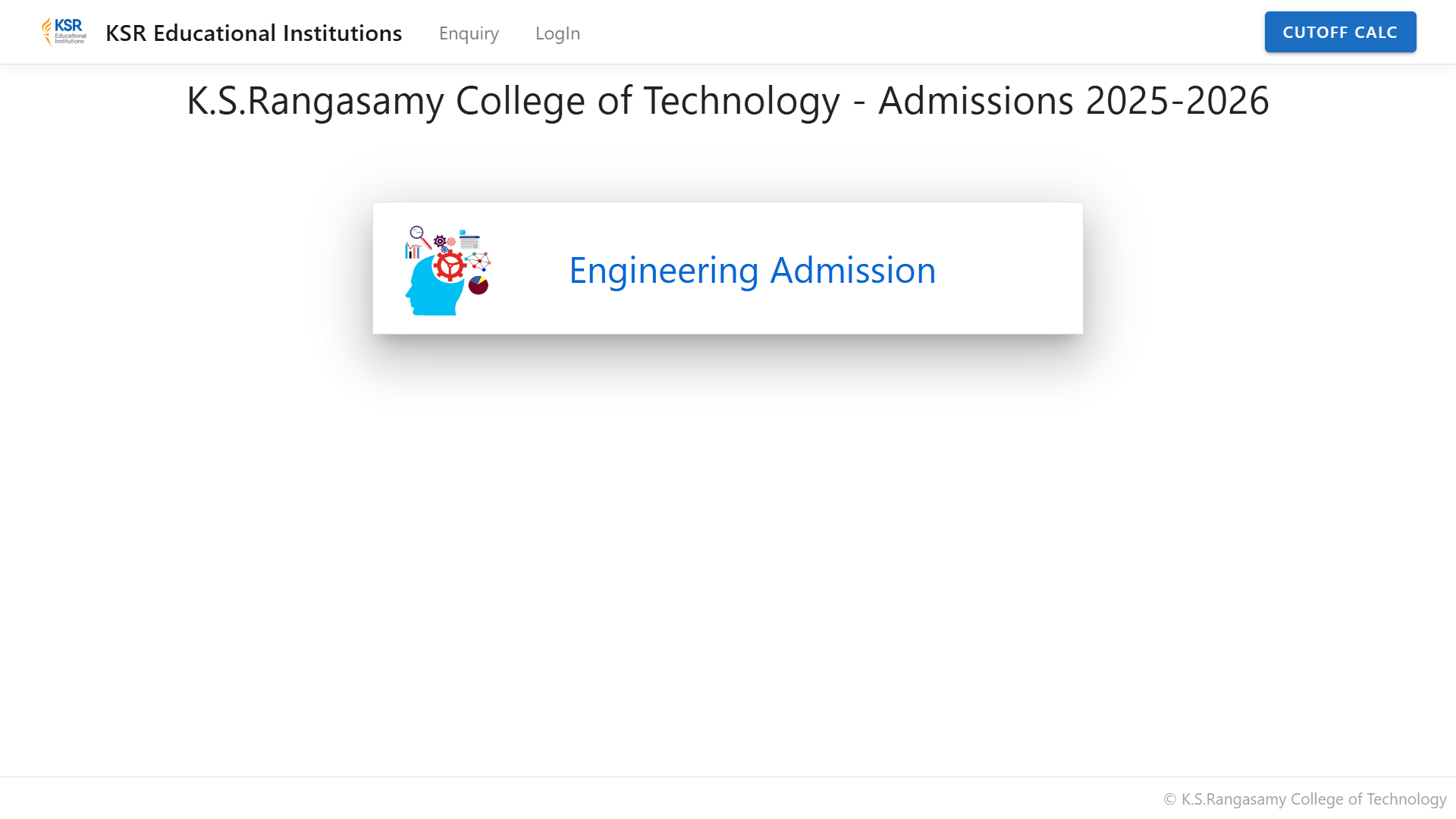
Admission & Fees Payment Portal
http://admission.ksrctdigipro.in
(KSRCT) is proud to announce its user-friendly online admission and fee payment portal, accessible at http://admission.ksrctdigipro.in and http://fees.ksrctdigipro.in. This innovative platform streamlines the admissions process, making it easier than ever for prospective students to embark on their academic journey at KSRCT.
Last updated 3 mins ago
Digital Library
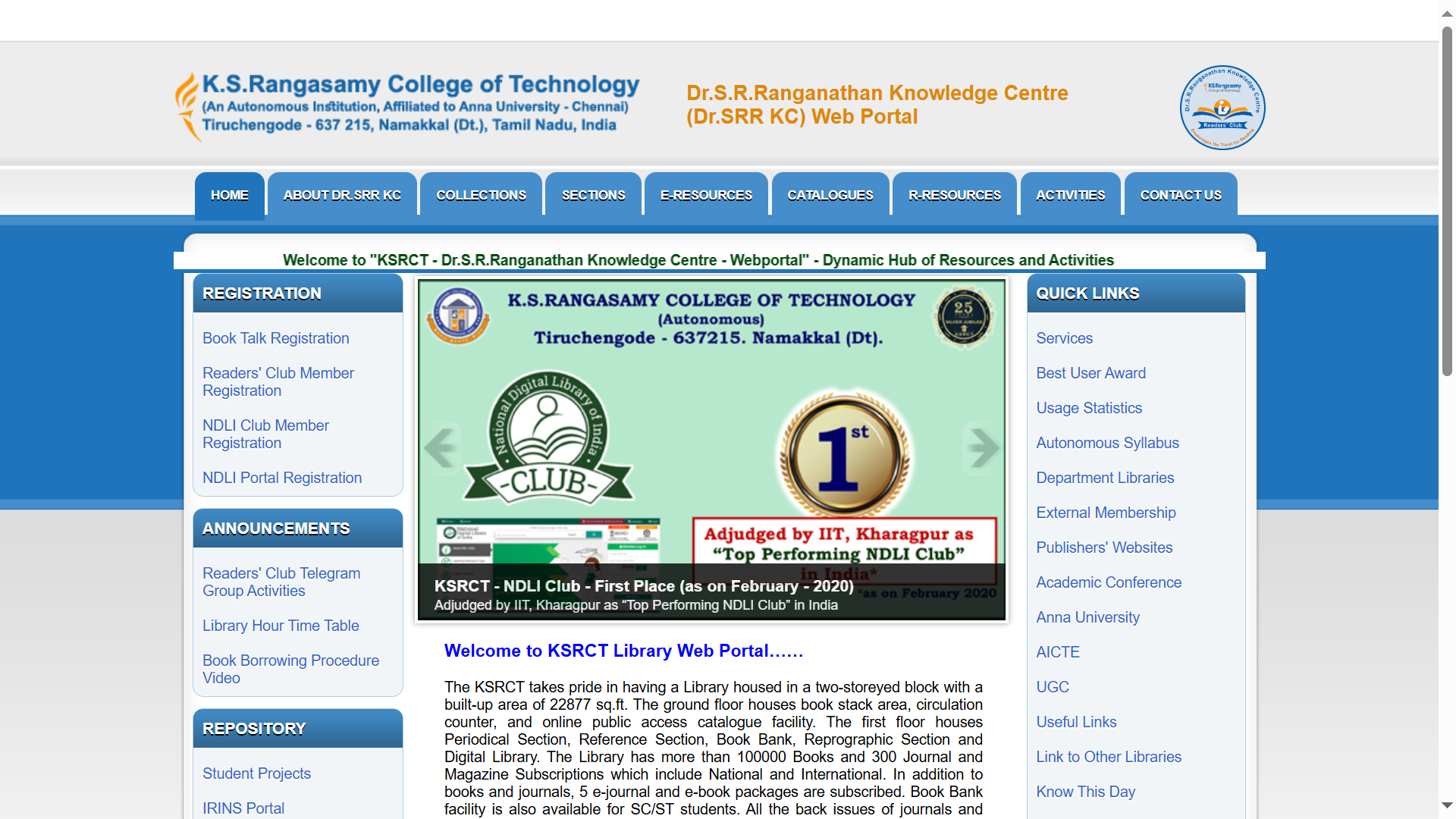
Digital Library
The Dr. S.R.Ranganathan Knowledge Centre on the first floor offers a digital library accessible via intranet/internet.
- Access a vast collection of e-books (over 6500!), e-journals (741+), NPTEL video and web courses (532 total), research repository materials (2955+), and e-question papers (over 10,000!).
- Explore supplementary resources like CDs (8296), audio cassettes (94), and video cassettes (15).
- The dedicated library space provides a comfortable environment for studying.
- With an average of 178 users daily, the library caters to a significant portion of the student body.
Last updated 3 mins ago
Department of Physical Education
Physical Education aims at encouraging students to participate in outdoor as well as indoor games to improve their sportsmanship. The main objectives of physical education are to develop motor abilities like strength, speed, endurance, coordination, flexibility, agility and balance, as they are important aspects for good performance in different games and sports. A sport is a learning activity for the rules, the principles, the individual skills, and the cooperative effort. The sports activities are coordinated by qualified physical education faculty and staff.
FACULTY LIST
- Dr. S. Muthukannan Director of Physical Education
- P. Kajendiran Asst. Physical Director
- C. Dhanalakshmi Asst. Physical Director
- Mr. A. Mano Gym Coach
- Mr. A. Mano Gym Coach
- Mr. S. Karthikeyan Ground Marker
- Mr. Chandrasekar Swimming Coach
- Mr. Vijaya Kumar Cricket Coach
- Mr. Thanaraj Athletics Coach
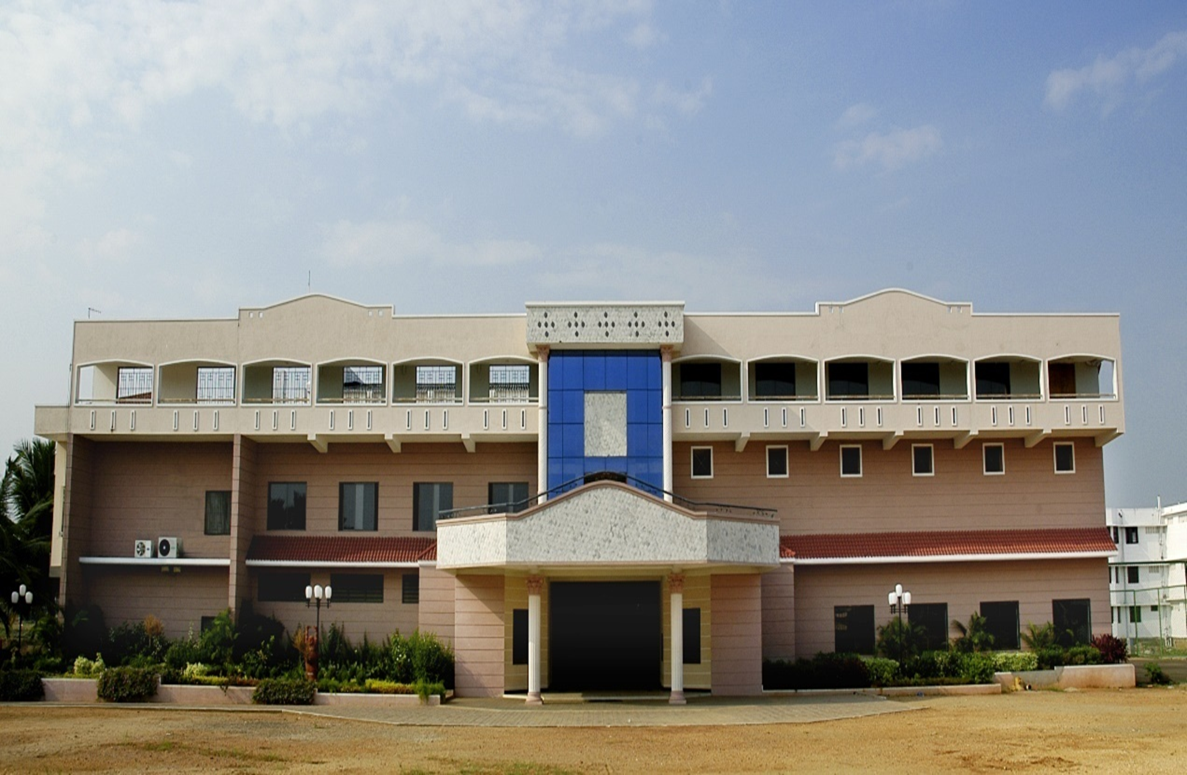
GROUND FACILITIES
-
Total Area - 28 Acres
-
Indoor Auditorium - 2 Nos
-
Outdoor Auditorium - 3 Nos
Ground @KSRCT
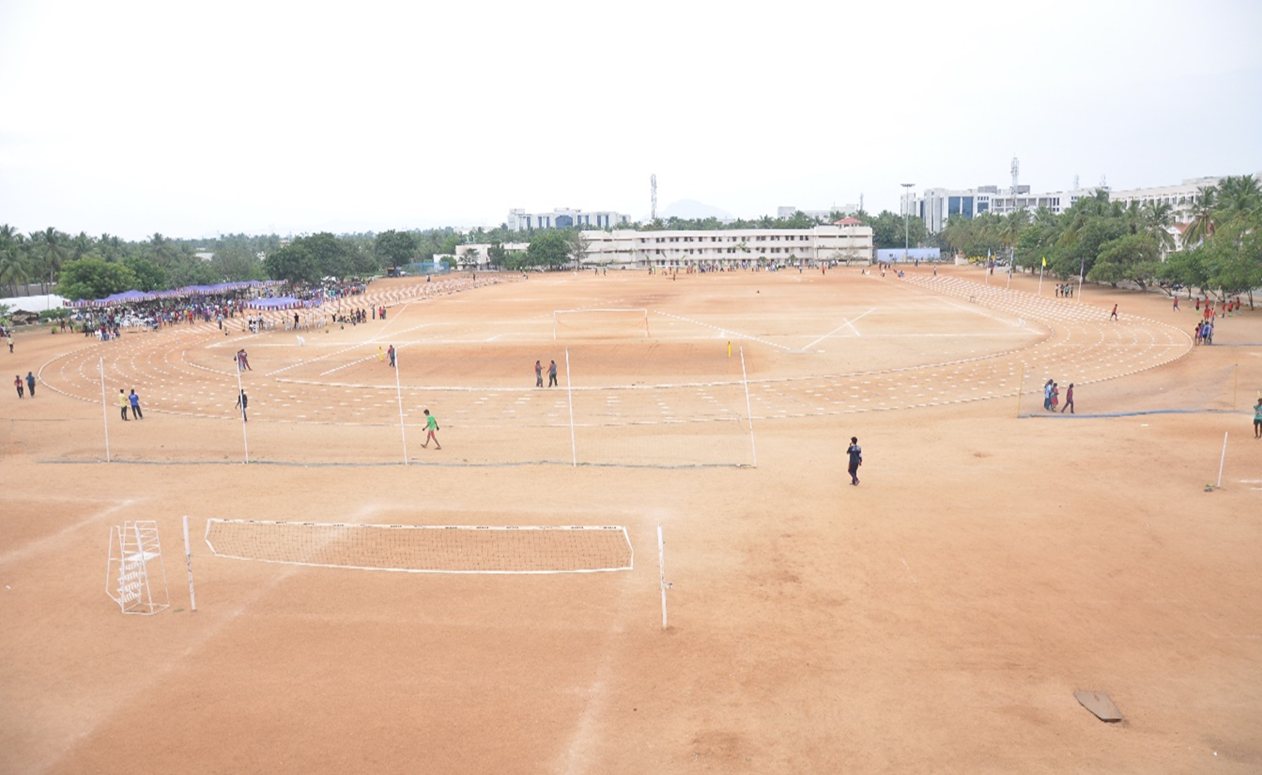
MAIN GROUND - I
| S.No | INFRASTRUCTURE | AREA IN (Sq.m.) | STUDENT USAGE |
|---|---|---|---|
| 1. | 400 m standard Athletic Track with Cricket field | 26380 Sq.m | 25 |
| 2. | Football field – 1 | 25 | |
| 3. | Volleyball Courts - 2 | 36 | |
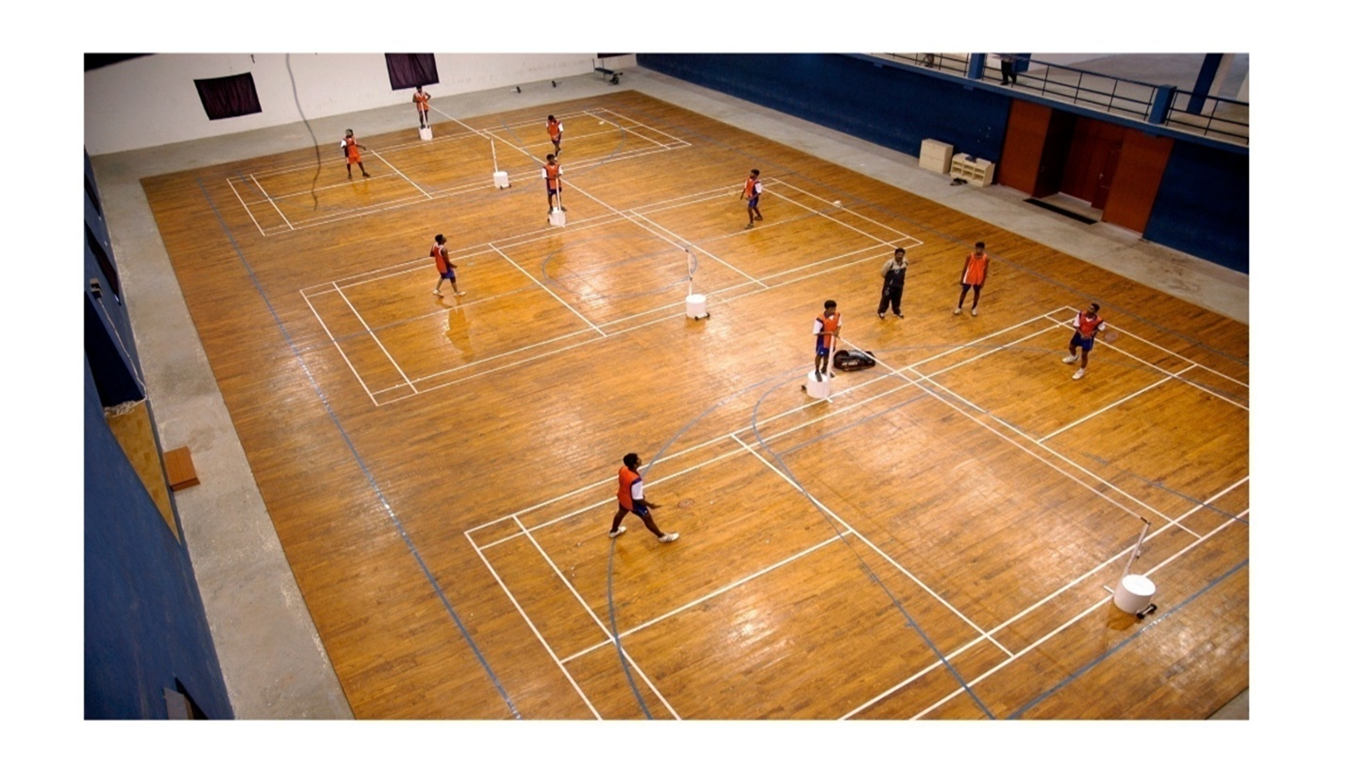
| 4. | Ball Badminton - 2 | 36 | |
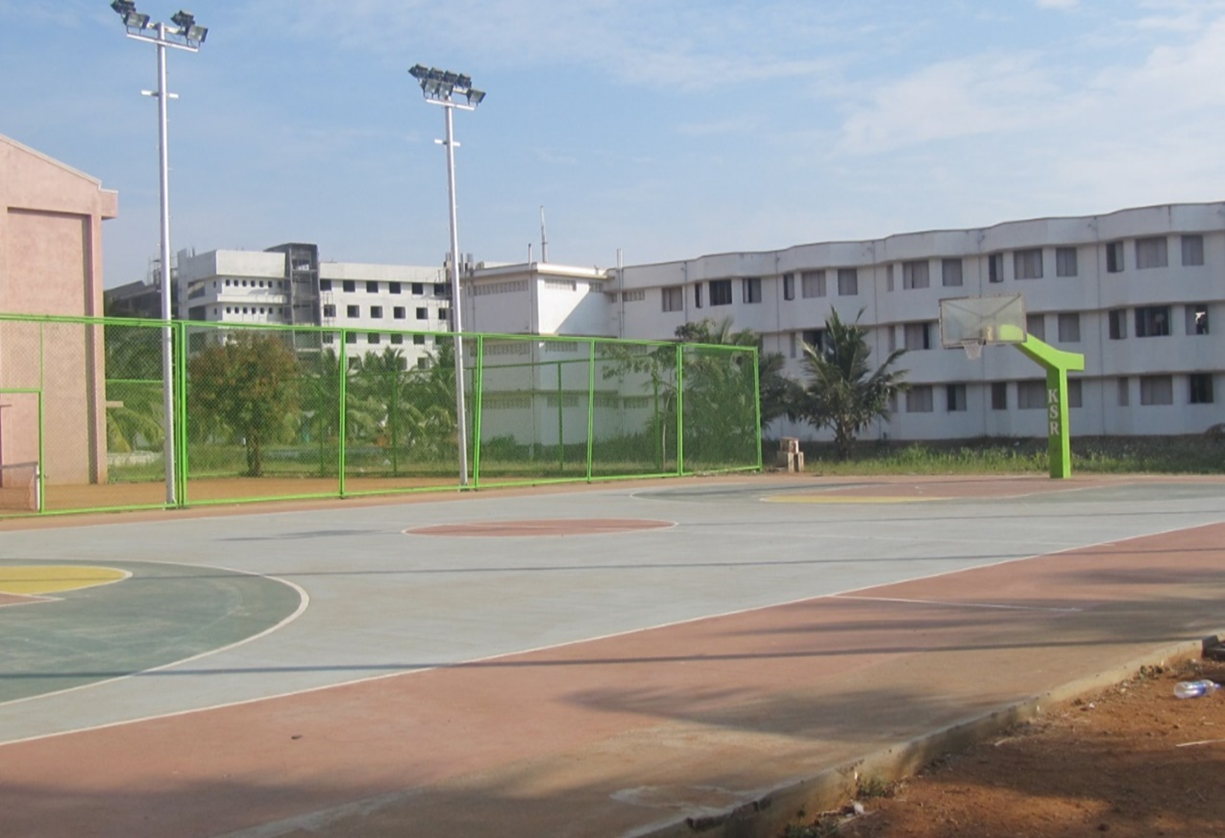
| 5. | Basketball Court - 1 | 734.85 Sq.m | 36 |
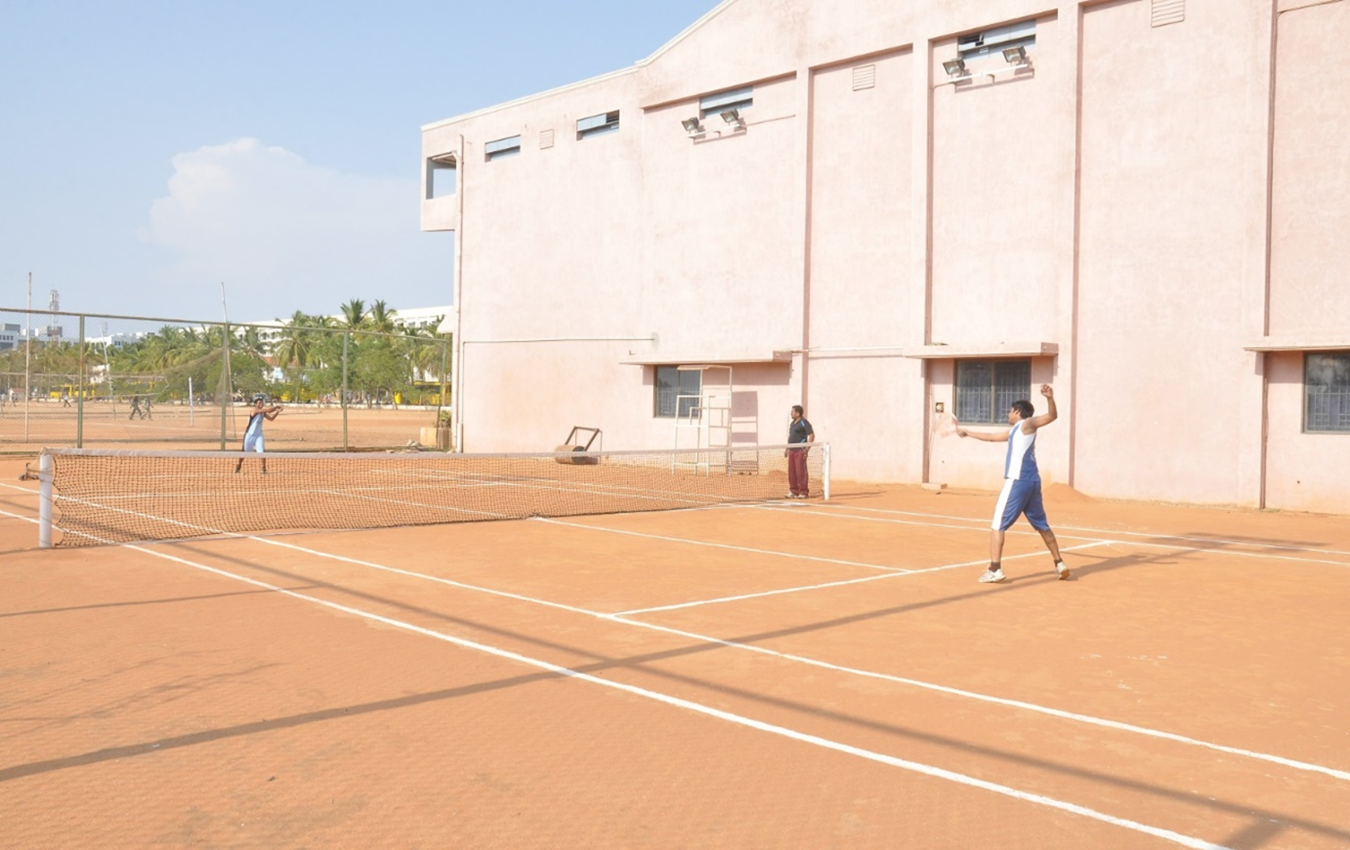
| 6. | Tennis court – 1 With fence |
786.6 Sq.m | 5 |
| 7. |
Indoor Stadium: Badminton Court – 4 Table Tennis – 3 Chess |
842.88 Sq.m | 15 |
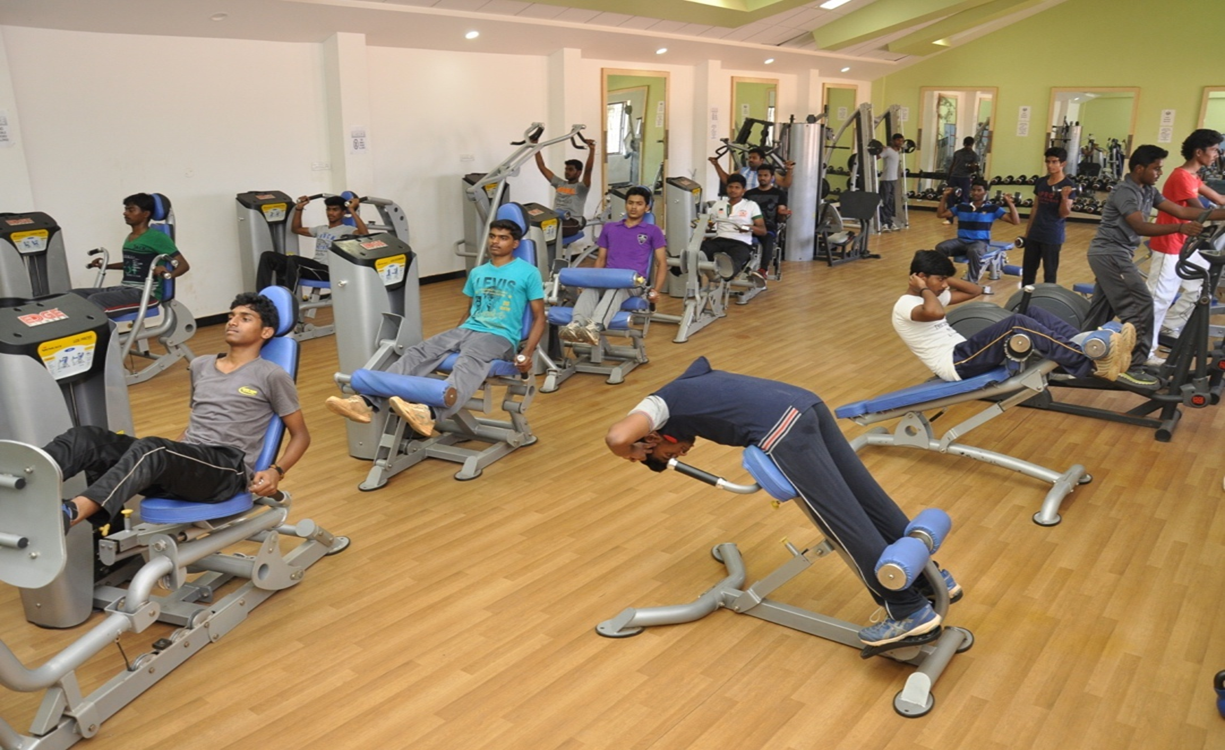
| 8. | Indoor Gym | 161.81 Sq.m | 40 |
GROUND - II
| S.No | INFRASTRUCTURE | AREA IN (Sq.m.) | STUDENTS USAGE |
|---|---|---|---|
| 1. | Hockey | 23 | |
| 2. | Basketball Court - 1 | 12,455 Sq.m | 27 |
GROUND - III
| S.No | INFRASTRUCTURE | AREA IN (Sq.m.) | STUDENTS USAGE |
|---|---|---|---|
| 1. | Hand Ball - 1 | 20 | |
| 2. | Kho-Kho - 2 | 4455 Sq.m | 15 |
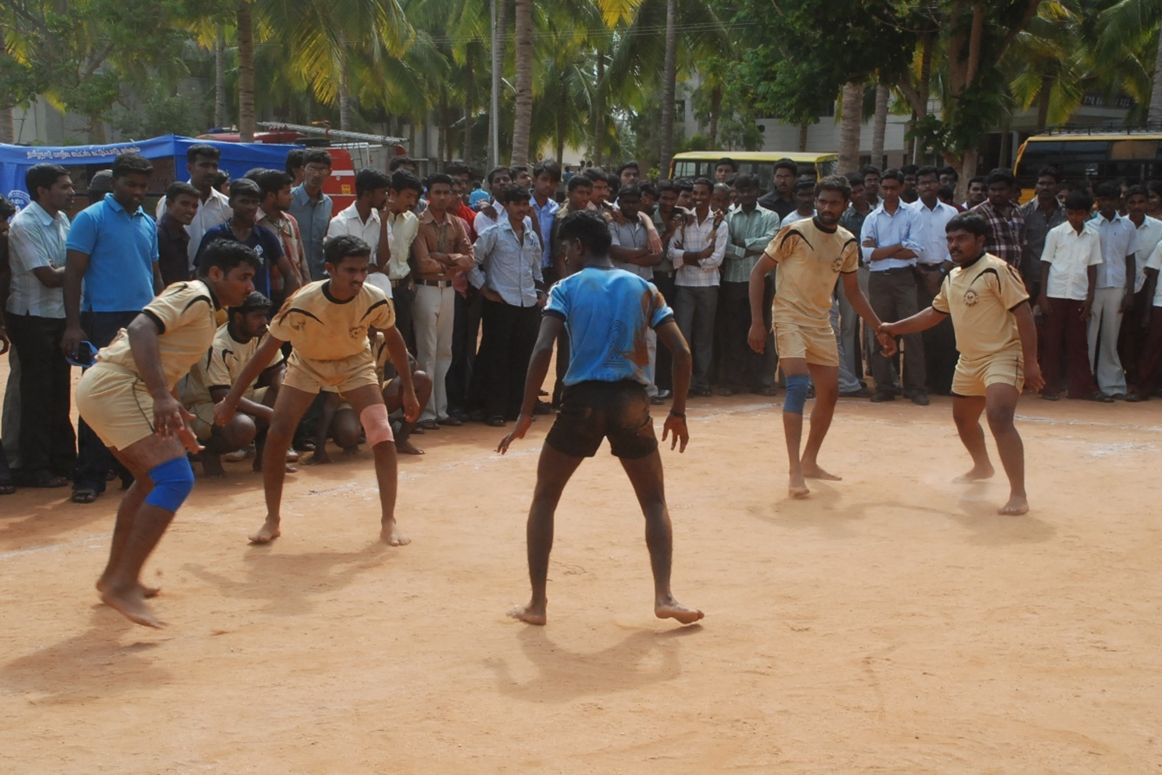
| 3. | Kabaddi - 2 | 25 |
SWIMMING POOL
| S.No | INFRASTRUCTURE | AREA IN (Sq.m.) | STUDENTS USAGE |
|---|---|---|---|
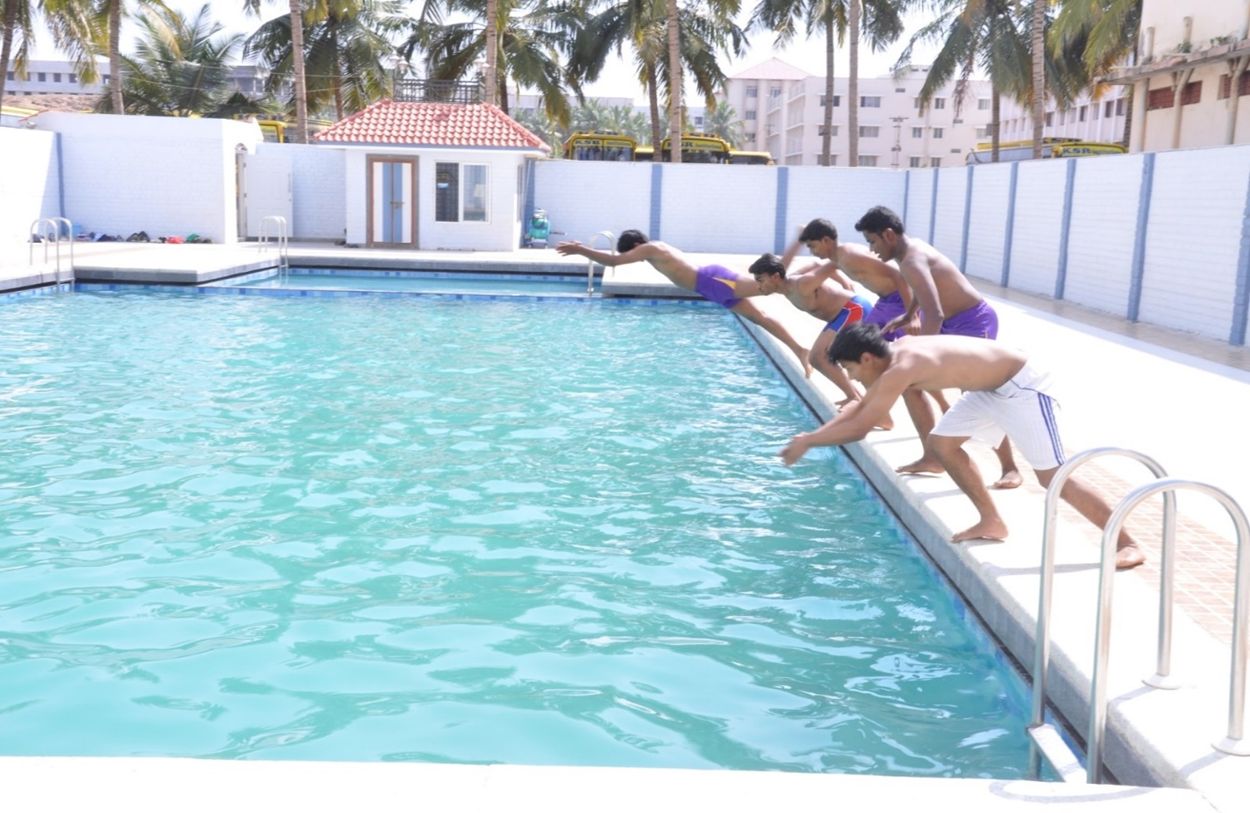
| 1. | Swimming Pool - 1 | 2178 Sq.m | 9 |
OUTDOOR GYM
| S.No | INFRASTRUCTURE | AREA IN (Sq.m.) | STUDENTS USAGE |
|---|---|---|---|
| 1. | Open Gym | 219.99 Sq.m | 21 |
SPORTS - GALLERY
REGULAR EVENTS
| S. No. | Event Name |
|---|---|
| 1 | ATHLETES |
| 2 | FOOTBALL |
| 3 | VOLLEYBALL |
| 4 | BASKETBALL |
| 5 | BALL BADMINTON |
| 6 | BADMINTON |
| 7 | TENNIS |
| 8 | TABLE TENNIS |
| 9 | CRICKET |
| 10 | CHESS |
| 11 | HOCKEY |
| 12 | KHO KHO |
| 13 | HAND BALL |
| 14 | KABADDI |
| 15 | BOXING |
| 16 | WEIGHTLIFTING, POWERLIFTING, BODYBUILDING |
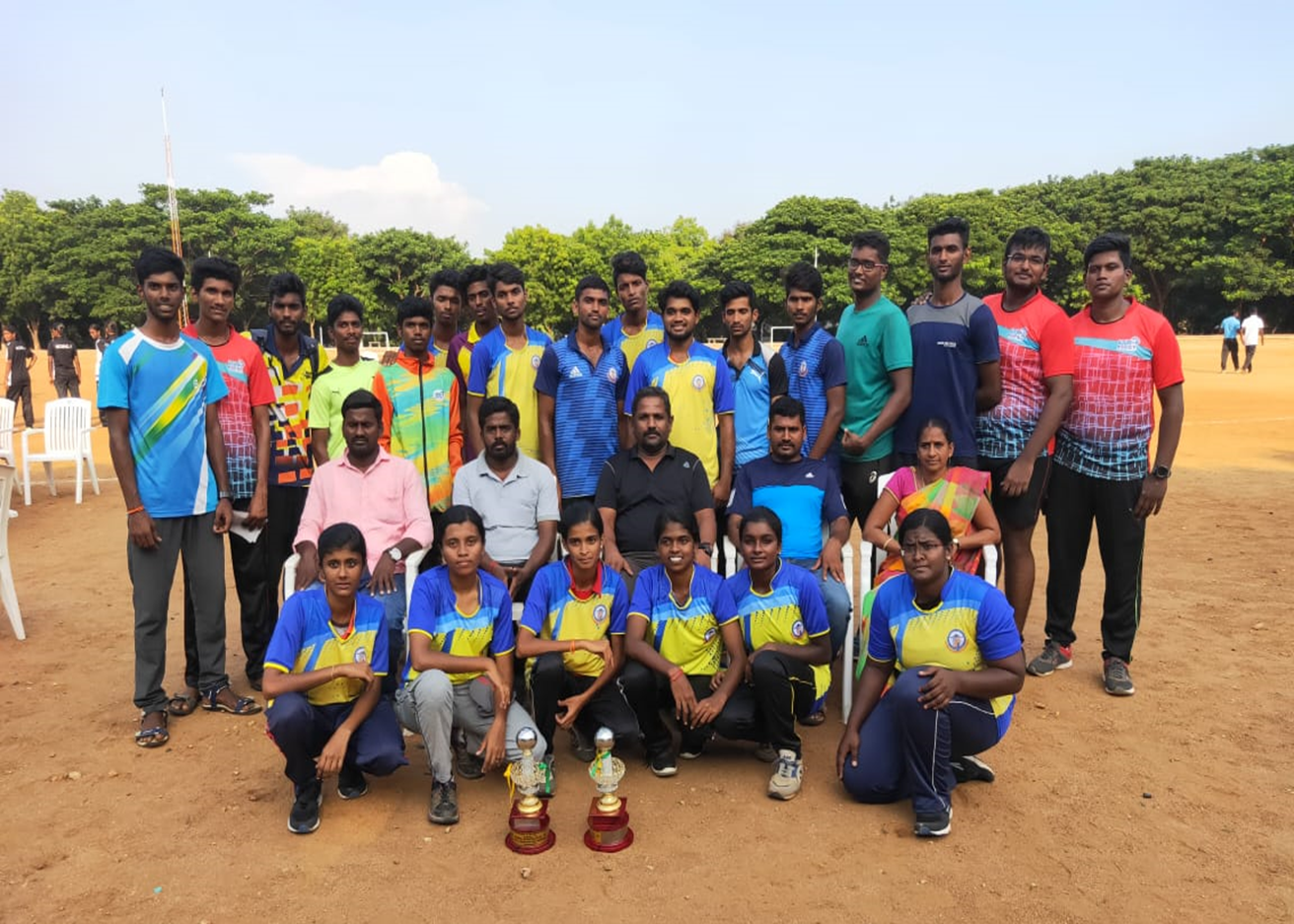
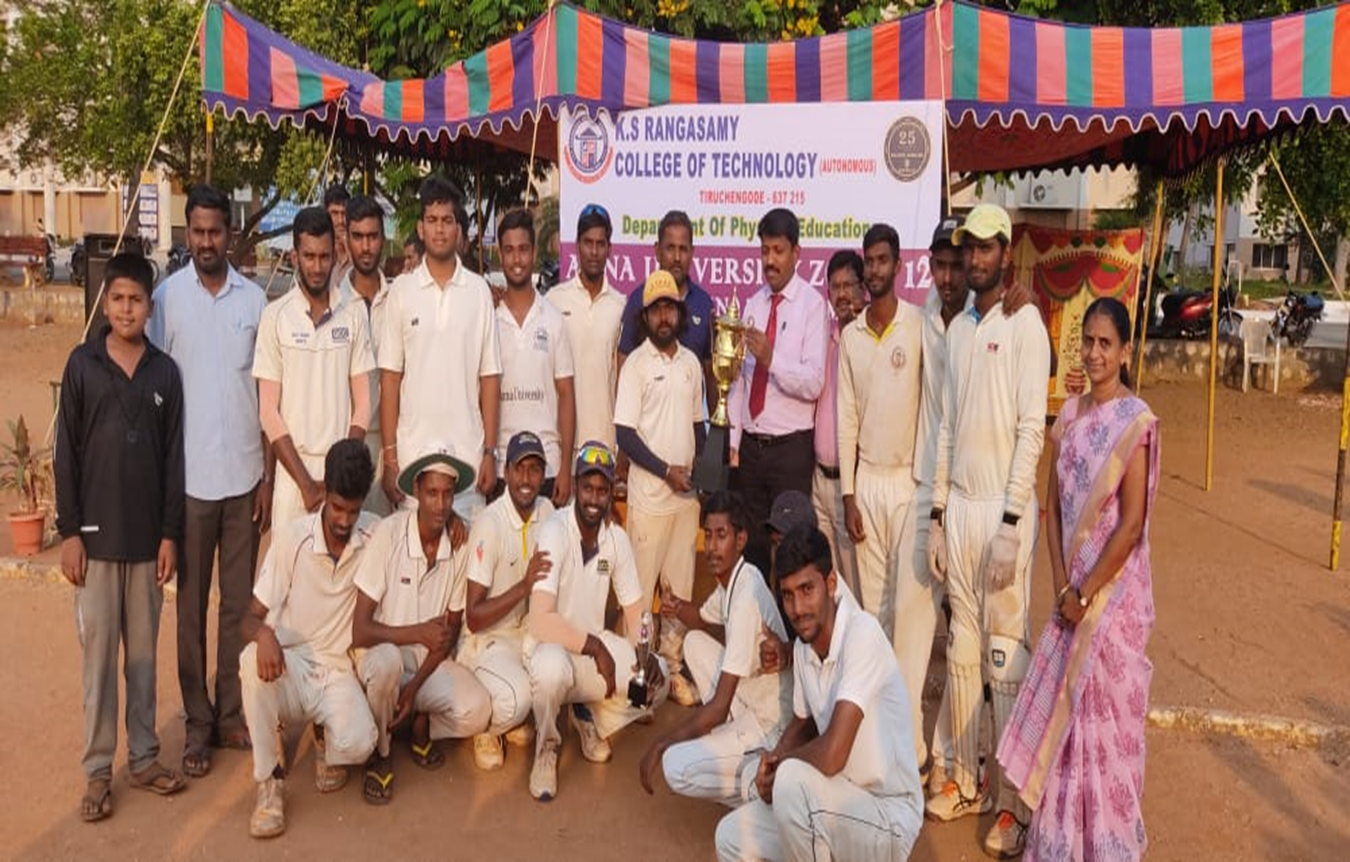
Four of our K S Rangasamy College of Technology students participated in the All India Inter University tournament on behalf of Anna University. Around 20 players from our College team represented Anna University in the last three season of the Inter University tournament. Our K S Rangasamy College of Technology cricket team has been a consistent performer in the Anna University inter zonal tournaments with two winner titles in the last three editions. Three of our team players were represented in the prestigious Tamil Nadu Premier League for Madurai Panthers, Ballsy 11 Trichy and idream Tiruppur. We have KSR Cricket Academy in our campus through which players skills were nurtured and continuous support will be provided for their development in the field of cricket
Hosted Games (2023 – 2024)
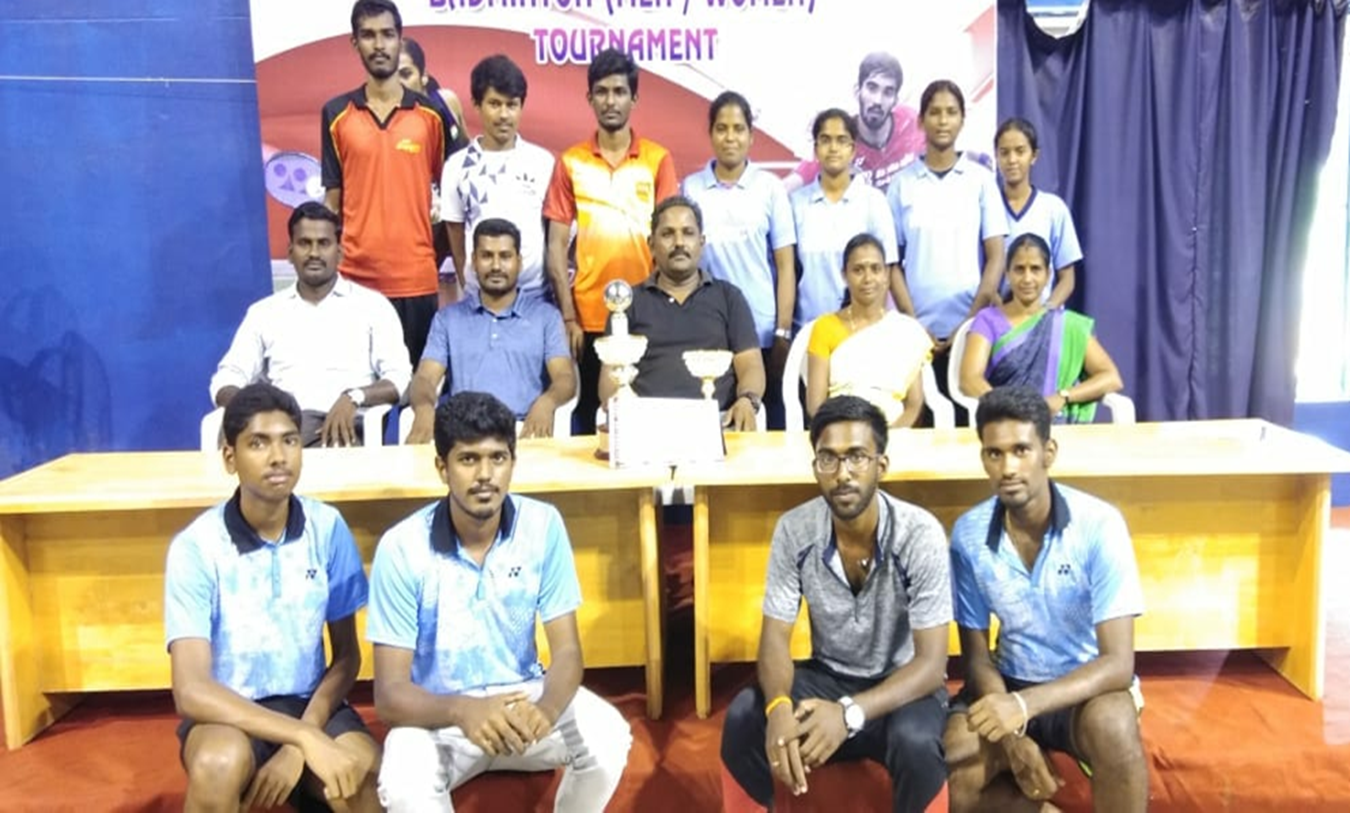
- 1. Anna University Zonal Level badminton men & Women.
- 2. Anna University Zonal Level Cricket Tournament for Men.
- 3. Anna University Inter Zone Cricket Tournament for Men.
HIGHEST ACHIEVEMENTS (2024–2025)
| S. No | Name | Year & Branch | Game | Achievements |
|---|---|---|---|---|
| 1. | SANTHOSH M | II – CSBS | FENCING | SOUTH ZONE INTER UNIVERSITY FENCING TOURNAMENT |
| 2. | MATHIVANAN M | II – MBA | CRICKET | ANNA UNIVERSITY REPRESENTED |
| 3. | KALEESWARAN R | I – MBA | CRICKET | ANNA UNIVERSITY REPRESENTED |
| 4. | ANOVANKAR V | I – MBA | CRICKET | ANNA UNIVERSITY REPRESENTED |
| 5. | SARATHY PRIYA N | II – MBA | CRICKET | TAMIL NADU WOMEN CRICKET TEAM REPRESENTED, ANNA UNIVERSITY REPRESENTED |
| 6. | LOGESH K | I – ISE | BADMINTON | SOUTH ZONE INTER UNIVERSITY REPRESENTED |
| 7. | SURYA V | I – TXT | BADMINTON | SOUTH ZONE INTER UNIVERSITY REPRESENTED |
| 8. | KSRISHNARAJ P S | I – MBA | ATHLETICS | ALL INDIA INTER UNIVERSITY REPRESENTED |
| 9. | ELAKKIYA ABI M | I – IT | ATHLETICS | ALL INDIA INTER UNIVERSITY REPRESENTED |
| 10. | MADHAN KUMAR K | I – MCT | CRICKET | ANNA UNIVERSITY REPRESENTED |
| 11. | IYLIN ROSIA K | II – IT | CRICKET | ANNA UNIVERSITY REPRESENTED |
| 12. | JAYA VARSHINI P | I – MBA | CRICKET | ANNA UNIVERSITY REPRESENTED |
| 13. | NAVEENKANTH K | I – TXT | WUSHU | ANNA UNIVERSITY REPRESENTED |
HIGHEST ACHIEVEMENTS (2023–2024)
| S. No | Name | Year & Branch | Game | Achievements |
|---|---|---|---|---|
| 1. | SANTHOSH M | I – CSBS | FENCING | PARTICIPATED IN ALL INDIA |
| 2. | BAVNITHAN A | II – EEE | CRICKET | PARTICIPATED IN ALL INDIA |
| 3. | MUTHARASU M | I – ISE | CRICKET | PARTICIPATED IN ALL INDIA |
| 4. | KALISWARAN R | I – TXT | CRICKET | PARTICIPATED IN ALL INDIA |
| 5. | ANOVANKAR K | II – MBA | CRICKET | PARTICIPATED IN ALL INDIA |
| 6. | SANTHOSH M | I – CSBS | FENCING | ANNA UNIVERSITY REPRESENTED & WON GOLD, BRONZE MEDAL |
| 7. | BAVNITHAN A | II – EEE | CRICKET | ANNA UNIVERSITY REPRESENTED |
| 8. | MUTHARASU M | I – ISE | CRICKET | ANNA UNIVERSITY REPRESENTED |
| 9. | KALISWARAN R | I – TXT | CRICKET | ANNA UNIVERSITY REPRESENTED |
| 10. | ANOVANKAR K | II – MBA | CRICKET | ANNA UNIVERSITY REPRESENTED |
| 11. | SARATHY PRIYA N | II – MBA | CRICKET | ANNA UNIVERSITY REPRESENTED |
| 12. | SUBHASHREE M | I – MBA | FOOTBALL | ANNA UNIVERSITY REPRESENTED |
| 13. | MATHIVANAN M | I – MBA | CRICKET | SELECTED FOR IDREAM TIRUPPUR TAMIZHANS IN TNPL |
| 14. | ANOVANKAR V | II – MBA | CRICKET | SELECTED FOR IDREAM TIRUPPUR TAMIZHANS IN TNPL |
| 15. | SANTHOSH M | I – CSBS | FENCING | JUNIOR & SENIOR DISTRICT CHAMPIONSHIP – WON GOLD |
| 16. | ELAMATHY R K | II – AIMI | CROSSMINTON | ICO 6TH INDIAN CROSSMINTON CHAMPIONSHIP – BRONZE MEDAL (SINGLES) |
| 17. | ELAMATHY R K | II – AIMI | CROSSMINTON | ICO 6TH INDIAN CROSSMINTON CHAMPIONSHIP – BRONZE MEDAL (MIXED DOUBLES) |
HIGHEST ACHIEVEMENTS (2022–2023)
| S. No | Name | Year & Branch | Game | Achievements |
|---|---|---|---|---|
| 1. | PREM KUMAR PRABHU R | II – IT | BADMINTON | ANNA UNIVERSITY REPRESENTED |
| 2. | ARNICA R | I – M.TECH | KHO-KHO | ANNA UNIVERSITY REPRESENTED |
| 3. | SARATHI PRIYA N | I – MBA | CRICKET | ANNA UNIVERSITY REPRESENTED |
| 4. | RAJ KUMAR K | I – ME ED | CRICKET | ANNA UNIVERSITY REPRESENTED |
| 5. | DHANAJAYAM M P | IV – CIVIL | CRICKET | ANNA UNIVERSITY REPRESENTED |
| 6. | PAVITHRAN R | I – CIVIL | CRICKET | ANNA UNIVERSITY REPRESENTED |
| 7. | ANOVANKAR V | I – MBA | CRICKET | ANNA UNIVERSITY REPRESENTED |
| 8. | ASHOK E | IV – ECE | CRICKET | ANNA UNIVERSITY REPRESENTED |
| 9. | RABIN KUMAR P | II – ME ED | CRICKET | ANNA UNIVERSITY REPRESENTED |
| 10. | SHARUN KUMAR S | I – MBA | CRICKET | ANNA UNIVERSITY REPRESENTED |
| 11. | RAJ KUMAR K | I – ME | CRICKET | ANNA UNIVERSITY REPRESENTED |
| 12. | PREM KUMAR PRABHU R | II – IT | BADMINTON | BIG-BASH INDIA 1ST JUNIOR LEAGUE – WINNER |
| 13. | HARISH K | II – CSE | SNOWMITTON | 2 GOLD, 3 SILVER, 3 BRONZE |
| 14. | PREM KUMAR PRABHU R | II – IT | SNOWMITTON | 2 GOLD, 3 SILVER, 3 BRONZE |
| 15. | ELAMATHY R K | I – AIML | SNOWMITTON | 2 GOLD, 3 SILVER, 3 BRONZE |
| 16. | NIRUPAMA D | I – AI & DS | SNOWMITTON | 2 GOLD, 3 SILVER, 3 BRONZE |
| 17. | LOKESH K | I – ISE | BADMINTON | CM TROPHY STATE LEVEL – WON BRONZE |
| 18. | SURYA RAJ K | I – ISE | BADMINTON | CM TROPHY STATE LEVEL – WON BRONZE |
| 19. | MUHIBUR RAHMAN S | II – CIVIL | SILAMBAM | CM TROPHY DISTRICT LEVEL – BRONZE |
| 20. | SURYA RAJ K | I - ISE | BAMINTON | CM TROPHY DISTRICT LEVEL – GOLD |
| 21. | LOKESH K | I - ISE | BAMINTON | CM TROPHY DISTRICT LEVEL – GOLD |
ACHIEVEMENTS
| S. No | Name of the Team/ Game | Event Details | Year | Achievement |
|---|---|---|---|---|
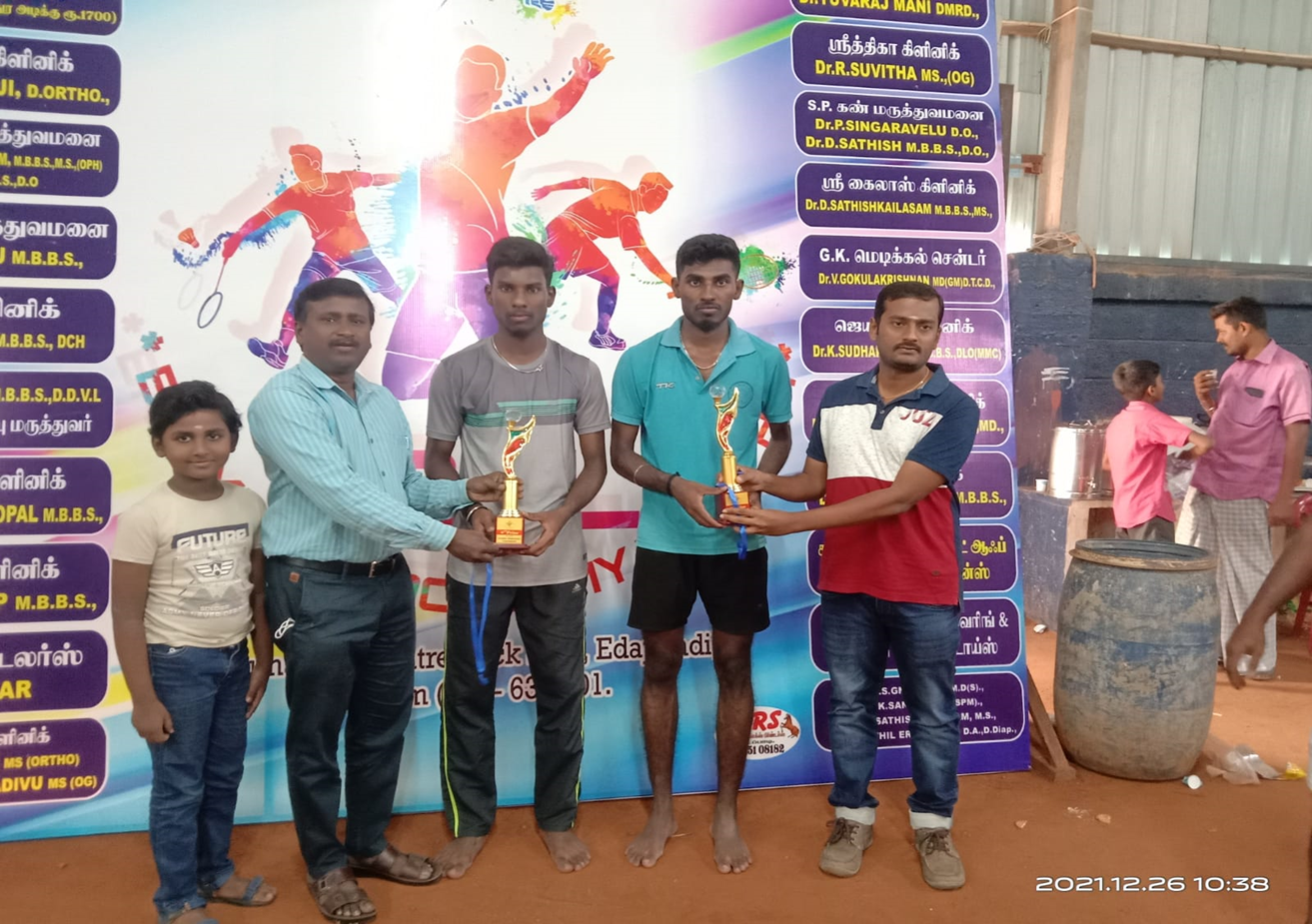
| 1. | BADMINTON | OPEN MENS STATE LEVEL | 2021-2022 | RUNNER |
| 2. | KHO-KHO | ANNA UNIVERSITY | 2021-2022 | REPRESENTED |
| 3. | TAKEWONDO | NATIONAL OPEN CHAMPIONSHIP | 2021-2022 | 2 BRONZE MEDALS |
| 4. | CRICKET | ANNA UNIVERSITY ZONE 12 | 2020-2021 | GOLD MEDAL |
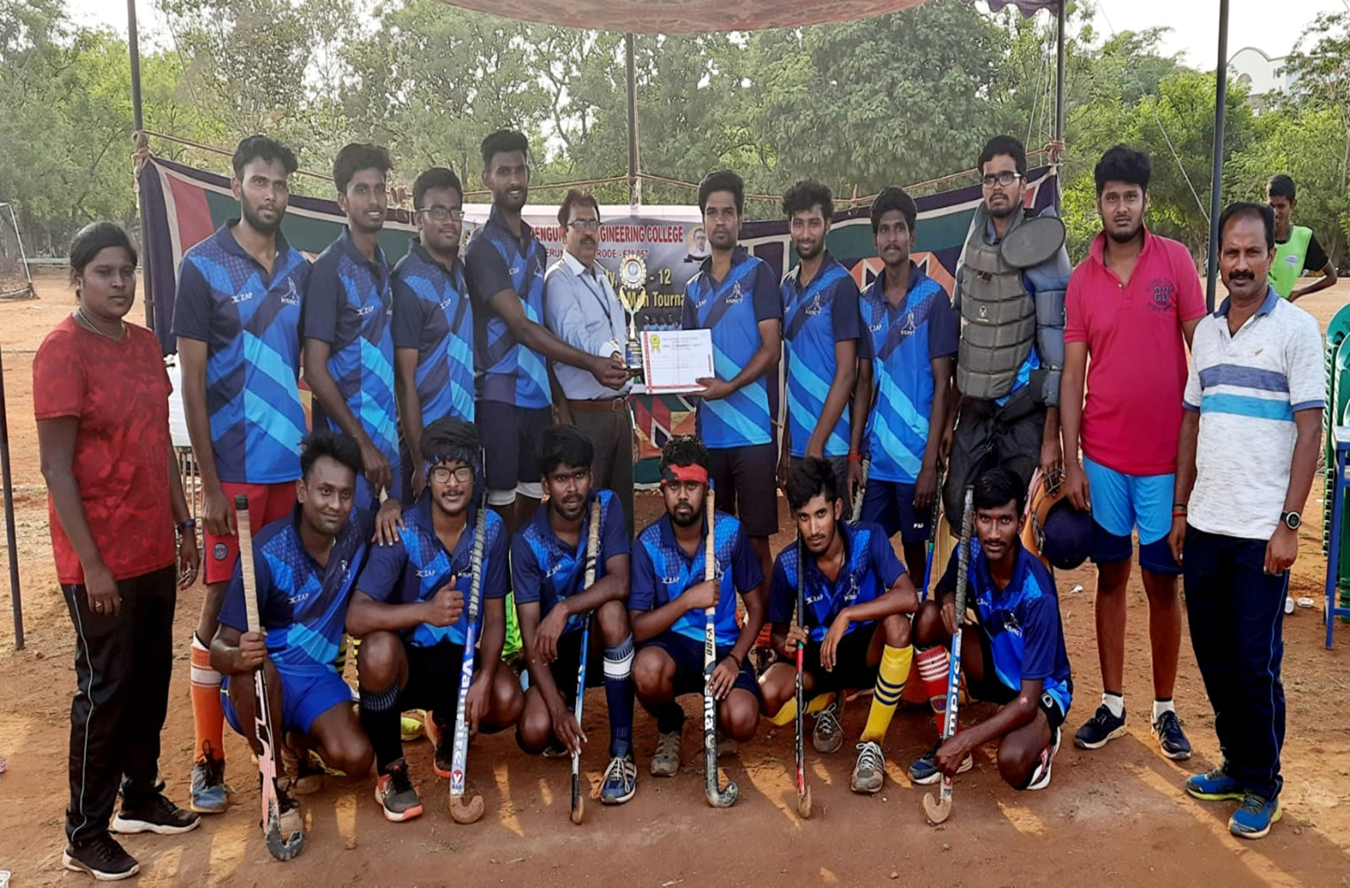
| 5. | HOCKEY | ANNA UNIVERSITY ZONE 12 | 2020-2021 | RUNNER |
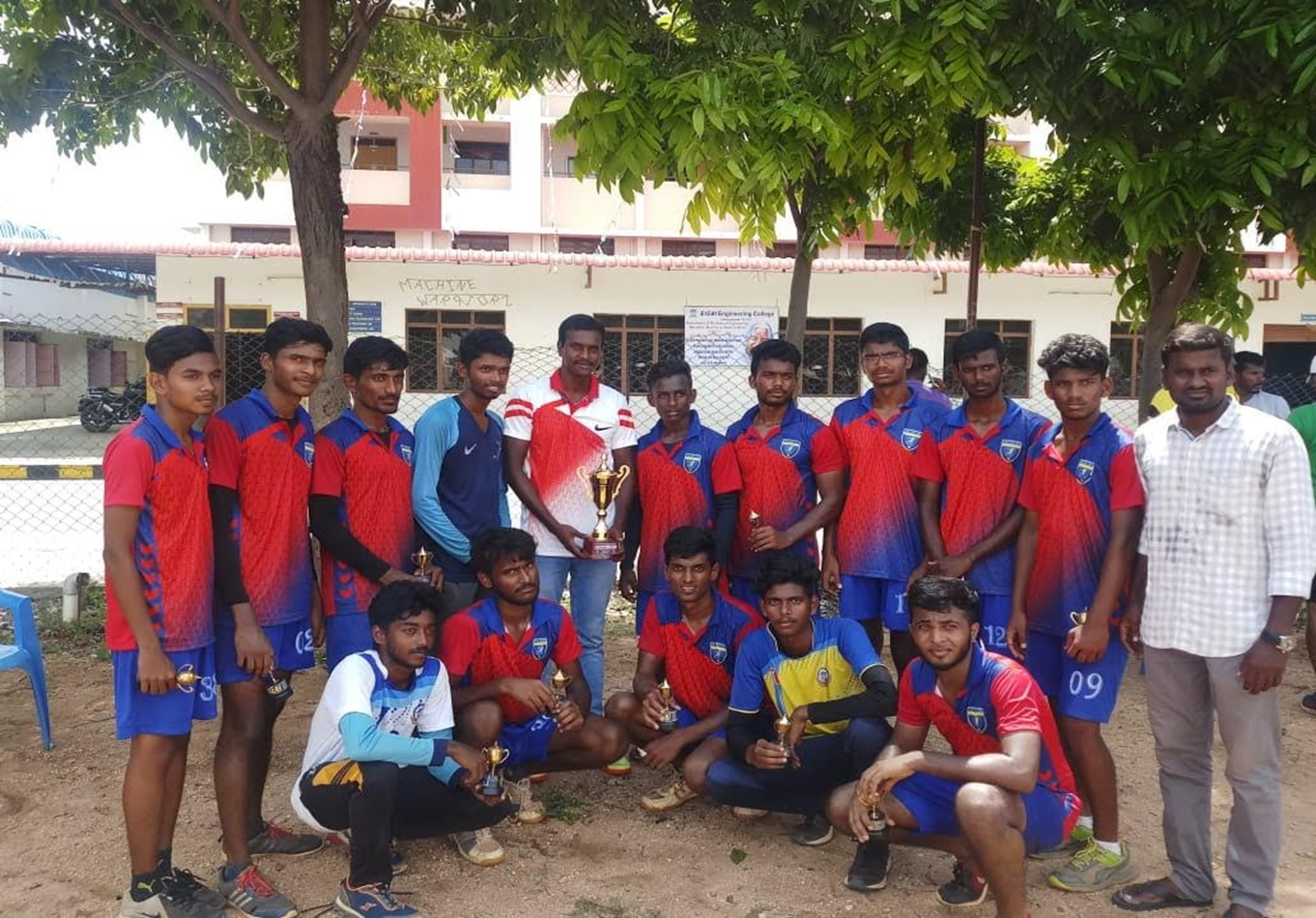
| 6. | VOLLEYBALL | ANNA UNIVERSITY ZONE 12 | 2020-2021 | THIRD PLACE |
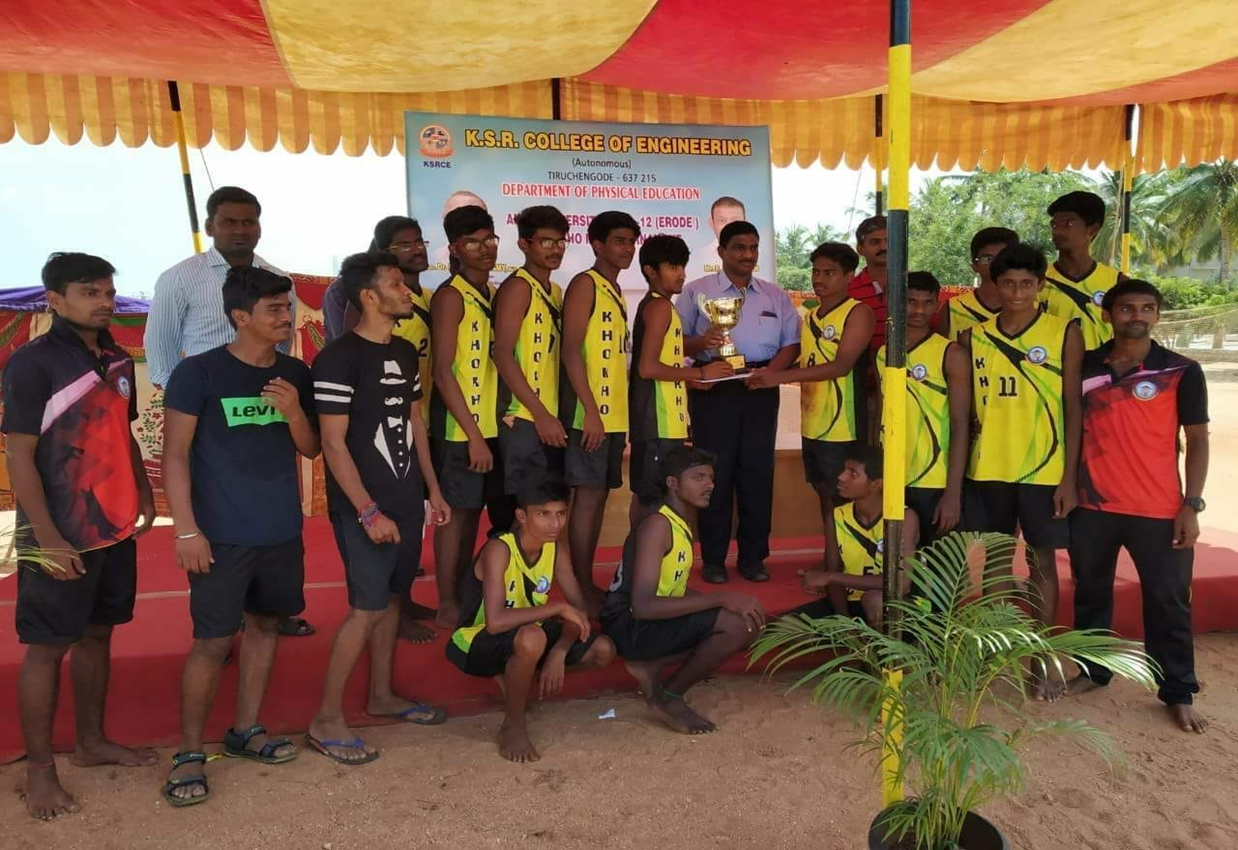
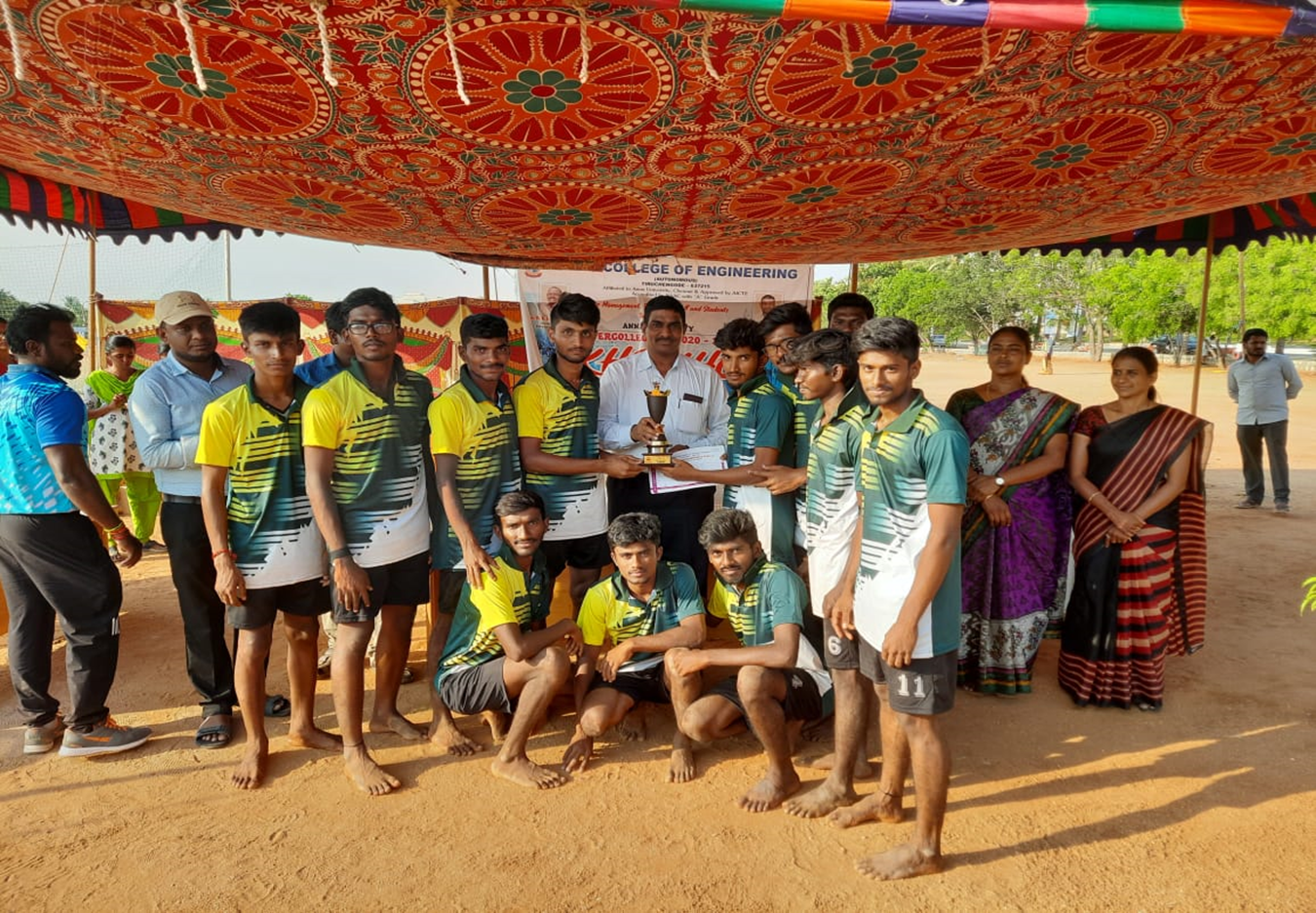
| 7. | KHO-KHO | ANNA UNIVERSITY ZONE 12 | 2020-2021 | THIRD PLACE |
| 8. | BASKETBALL | ANNA UNIVERSITY ZONE 12 | 2020-2021 | THIRD PLACE |
| 9. | CHESS | ANNA UNIVERSITY ZONE 12 | 2020-2021 | SECOND PLACE |
| 10. | HAND BALL | ANNA UNIVERSITY ZONE 12 | 2019-2020 | GOLD MEDAL |
| 11. | CRICKET | ANNA UNIVERSITY INTER ZONE 12 | 2019-2020 | GOLD MEDAL |
| 12. | CRICKET | ANNA UNIVERSITY ZONE 12 | 2019-2020 | GOLD MEDAL |
| 13. | BADMINTON | ANNA UNIVERSITY ZONE 12 | 2019-2020 | GOLD MEDAL |
| 14. | BADMINTON | ANNA UNIVERSITY INTERZONE | 2019-2020 | BRONZE MEDAL |
| 15. | ATHLETICS MEN & WOMEN | ANNA UNIVERSITY ZONE 12 | 2019-2020 | OVERALL THIRD |
| 16. | CRICKET | ANNA UNIVERSITY INTERZONE | 2018-2019 | SILVER MEDAL |
| 17. | CRICKET | ANNA UNIVERSITY ZONE 12 | 2018-2019 | GOLD MEDAL |
| 18. | BALL BADMINTON | ANNA UNIVERSITY ZONE 12 | 2018-2019 | GOLD MEDAL |
| 19. | ATHLETICS MEN & WOMEN | ANNA UNIVERSITY ZONE | 2018-2019 | OVERALL WINNER |
| 20. | KHO-KHO | ANNA UNIVERSITY ZONE 12 | 2018-2019 | GOLD MEDAL |
| 21. | ATHLETICS | ANNA UNIVERSITY ZONE 12 | 2018-2019 | OVERALL WINNER |
| 22. | VOLLEYBALL | ANNA UNIVERSITY ZONE 12 | 2018-2019 | SILVER MEDAL |
| 23. | HOCKEY | ANNA UNIVERSITY ZONE 12 | 2017-2018 | SILVER MEDAL |
| 24. | ATHLETICS MEN & WOMEN | ANNA UNIVERSITY ZONE 12 | 2016-2017 | OVERALL WINNER |
| 25. | VOLLEYBALL | ANNA UNIVERSITY ZONE 12 | 2016-2017 | SILVER MEDAL |
ACHIEVEMENTS - GALLERY
Academic Laboratory

| S.No. | Lab Name | Name of the Equipment | Specification | Amount |
|---|---|---|---|---|
| 1. | 1. | |||
| 2. | ||||
| 3. | ||||
| 4. |
Special Laboratory
| S.No. | Lab Name | Name of the Equipment | Specification | Amount |
|---|---|---|---|---|
| 1. | ||||
| 2. | ||||
| 3. | ||||
| 4. |
Industry supported laboratory
| S.No. | Lab Name | Name of the Equipment | Specification | Amount |
|---|---|---|---|---|
| 1. | ||||
| 2. | ||||
| 3. | ||||
| 4. |
Seminar/Conference Hall
Class Rooms
Department Library
| S.No. | Particulars | Count |
|---|---|---|
| 5. | Ph.D. Doctorates | |
| 6. | Ph.D. Supervisors | |
| 7. | Ph.D. Pursuing | |
| 8. | Ph.D. Completed |
| S.No. | Academic Year | Agency | Name of the Event/ Activity | Amount |
|---|---|---|---|---|
| 1. | ||||
| 2. | ||||
| 3. | ||||
| 4. |
| S.No. | Academic Year | Agency | Title of the Project | Amount |
|---|---|---|---|---|
| 1. | ||||
| 2. | ||||
| 3. | ||||
| 4. |
| S.No. | Academic Year | Book Chapters | Journals | Conference | ||
|---|---|---|---|---|---|---|
| National | International | National | International | |||
| 1. | ||||||
| 2. | ||||||
| 3. | ||||||
| 4. | ||||||
| S.No. | Academic Year | Patients | Copyrights | |||
|---|---|---|---|---|---|---|
| Filed | Published | Granted | Filed | Granted | ||
| 1. | 2023-2024 | |||||
| 2. | 2022-2023 | |||||
| 3. | 2021-2022 | |||||
| 4. | 2020-2021 | |||||
| S.NO. | Academic Year | Name of the Company | Amount(Rs.) |
|---|---|---|---|
| 1. | 2023-2024 | ||
| 2. | 2022-2023 | ||
| 3. | 2021-2022 | ||
| 4. | 2020-2021 |
| S.NO. | MoU Date | Name of the Company | Validity |
|---|---|---|---|
| 1. | |||
| 2. | |||
| 3. | |||
| 4. |
Centre of Excellence
- National Instruments Academy(NICE)
- Quality Enhancement in Engineering Education(QEEE)
- Parametric Technology Corporation(PTC)
- Internet of Things(loT)
- Virtusa's CoE on CRM
| S.No. | Academic Year | Type of the Event | Student Name | Participated | Price Won | Image |
|---|---|---|---|---|---|---|
| 5. | Seminar |  |
||||
| 6. | Conference | |
||||
| 7. | Competition | |
||||
| 8. | Workshop | |
||||
| 9. | Hackathon | |
| S.No. | Academic Year | Type of the Event | Student Name | Participated | Price Won | Image |
|---|---|---|---|---|---|---|
| 5. | Seminar | |
||||
| 6. | Conference | |
||||
| 7. | Competition | |
||||
| 8. | Workshop | |
||||
| 9. | Hackathon | |
| S.No. | Academic Year | Type of the Event | Student Name | Participated | Price Won | Image |
|---|---|---|---|---|---|---|
| 5. | Seminar | |
||||
| 6. | Conference | |
||||
| 7. | Competition | |
||||
| 8. | Workshop | |
||||
| 9. | Hackathon | |
Events Happened
| S.No. | Date | Event | Title of the Event |
|---|---|---|---|
| 5. | Seminar | ||
| 6. | Conference | ||
| 7. | Competition | ||
| 8. | Workshop | ||
| 9. | Hackathon |
Association
- Office Bearers:
- President
- Vice-President
- Treasurer
- Memebers
- Academic year :2023 - 2024
| S.NO. | Date | Event | Title of the Event |
|---|---|---|---|
| 1. | Inauguration | ||
| 2. | Guest Lecture | ||
| 3. | Parents Meeting | ||
| 4. | Valedictory |
Professional Body
- Name of the profession Body:
- Membership Details:
- Academic year :2023 - 2024
| S.NO. | Date | Event | Title of the Event |
|---|---|---|---|
| 1. | Inauguration | ||
| 2. | Guest Lecture | ||
| 3. | Parents Meeting |
Cells & Clubs
- Name of the Cells/Clubs:
- Academic year :2023 - 2024
| S.No. | Date | Event | Title of the Event |
|---|---|---|---|
| 1. | Seminar | ||
| 2. | Conference | ||
| 3. | Workshop |